
When you purchase through links on our site, we may earn an affiliate commission at no extra cost to you.
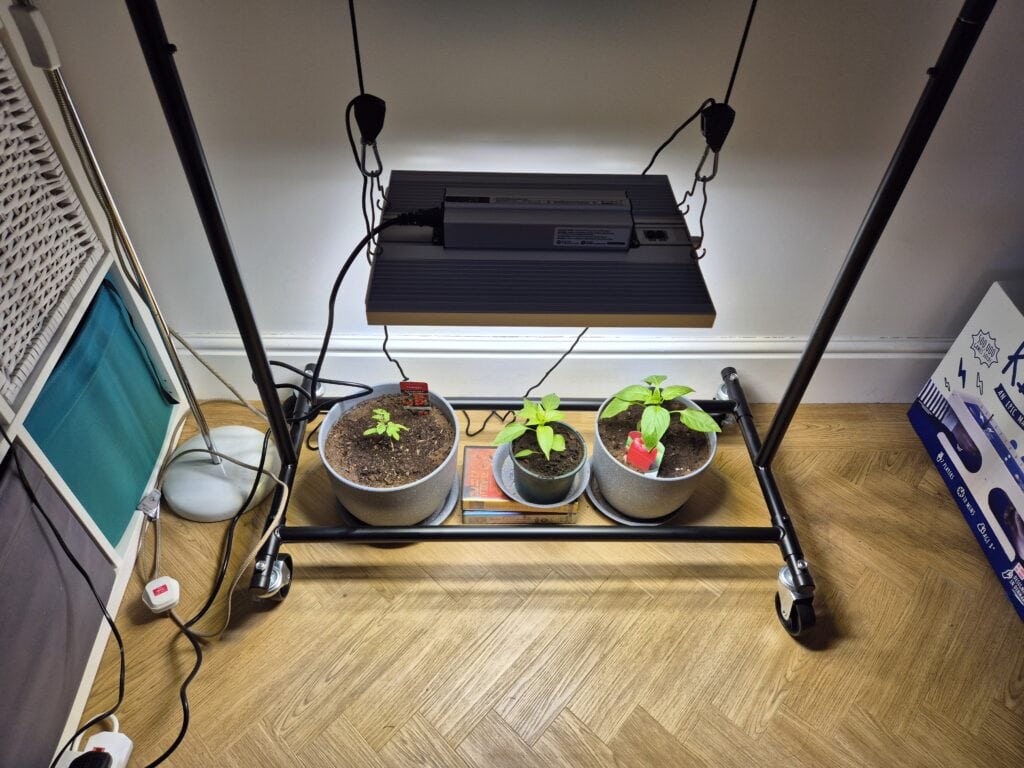
This ViparSpectra XS1500 Pro review is based on the light I chose for my own indoor setup, specifically to grow fruiting plants like tomatoes and chillies.
I’ve found it easy to set up and use, and very effective at promoting fast, compact, consistent growth without needing a complicated setup. In my case, it comfortably supports around three plants at a time, which is ideal for a simple indoor growing space.
If you would like to compare it with other options, I’ve covered the main alternatives in my guide to the best LED grow lights.
If you want a broader look at the brand and how it compares to other options, I’ve put together a full guide to ViparSpectra grow lights.
Why I Like It (From My Setup)
- Strong, consistent growth
- Dimmable — easy to control early vs later stages
- Ideal for a small indoor growing space
- Simple to set up (no tent needed)
- Reliable for tomatoes, chillies, and peppers
Best for: Small indoor setups growing a few productive plants at a time
What You’re Actually Getting
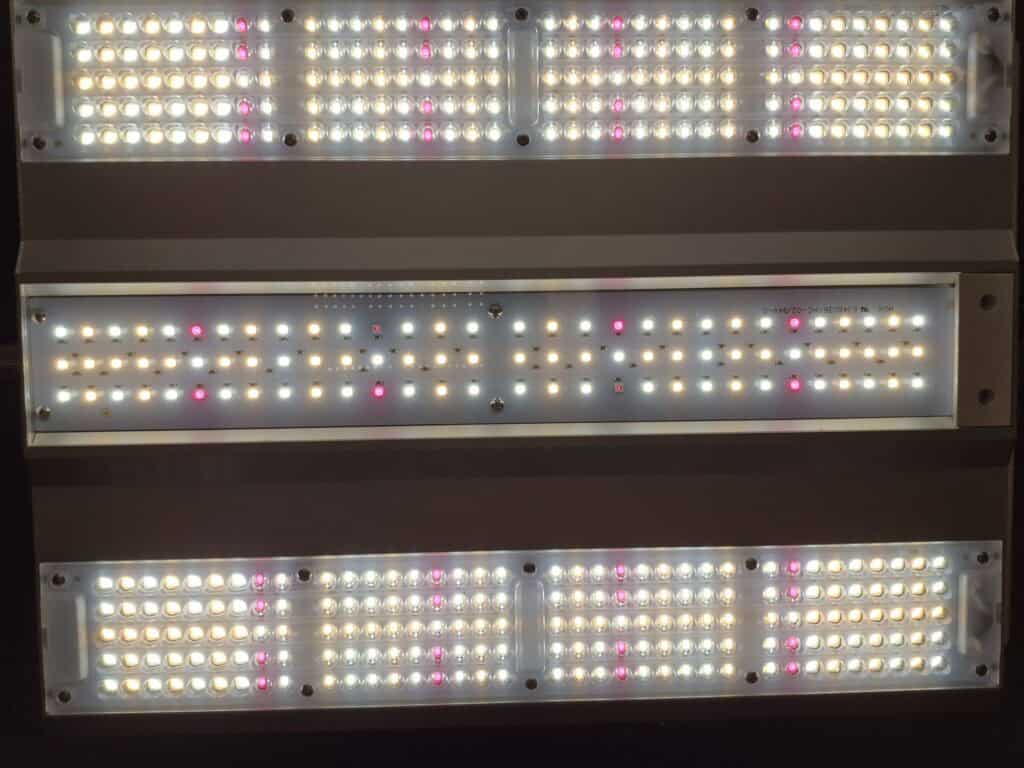
This isn’t just a basic grow light — it’s built with components you usually only see in more serious setups.
- Samsung LEDs
These are known for efficiency and output, which shows in how quickly plants respond and how evenly the light spreads. - Mean Well driver
This is the power unit that controls the light. It’s a reliable brand and helps keep output stable over long periods. - Full-spectrum light
Designed to support everything from early growth through to flowering and fruiting. - Dimmable control
One of the most useful features — I’ve been running it at around 60% early on, then increasing it as the plants grow.
Do You Need Something This Powerful?
If you’re just growing herbs or lettuce, you don’t necessarily need a light at this level.
Simpler, cheaper grow lights can work well for:
- Seedlings
- Herbs
- Leafy greens
But once you move into fruiting plants like tomatoes or chillies, you’ll quickly notice the difference in growth and overall performance.
If you’re looking for lower-cost options, I’ve covered them in my guide to cheap grow lights.
My Setup (No Grow Tent)
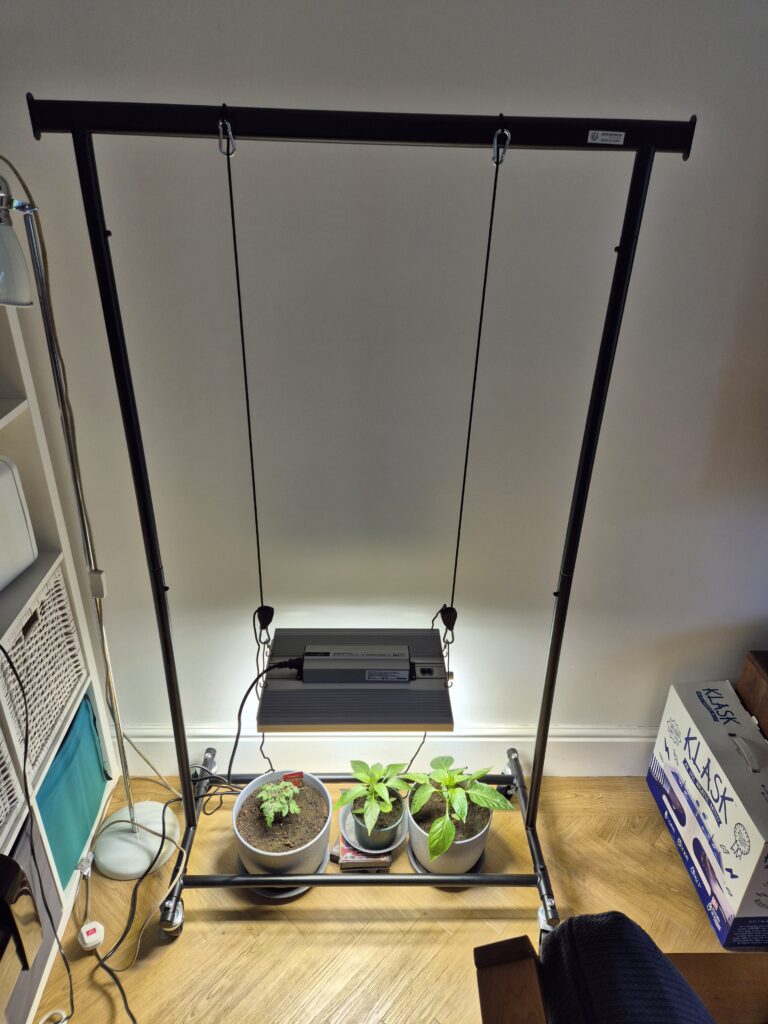
Full indoor setup using a clothes rack — the XS1500 Pro hung at adjustable height with three plants underneath.
I’ve kept this as simple as possible.
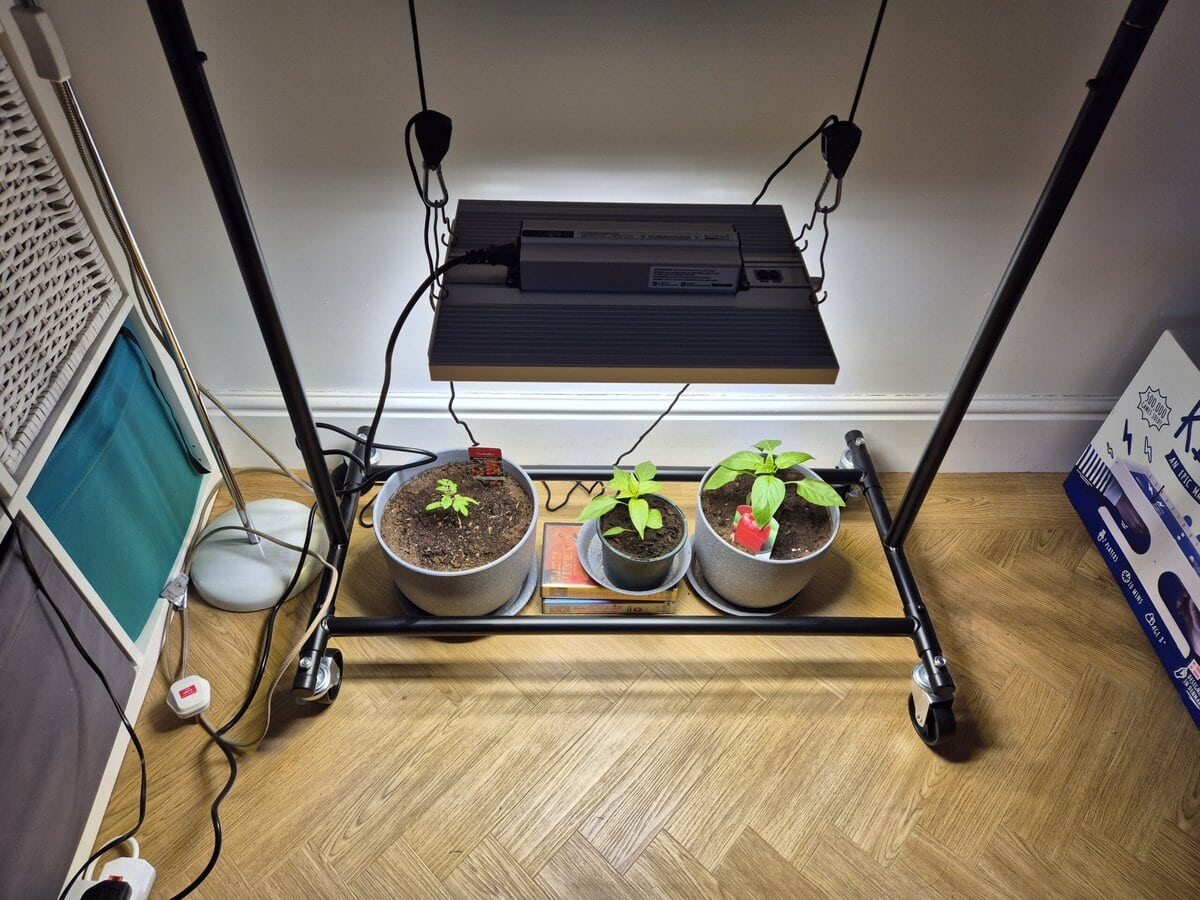
The light is hung from a standard clothes rack using the adjustable hangers that come with it. That makes it easy to raise or lower as the plants grow — which is one of the most important parts of using a grow light properly.
No tent, no dedicated frame — just a small indoor space with three plants underneath.
Pro tip: The XS1500 Pro isn’t heavy, but it’s solid. Make sure your rack is stable and balanced — you don’t want a light dropping onto your plants.
Real Growing Conditions
This is what I’m actually running:
- Plants: Tomato + chilli + pepper
- Coverage: ~3 plants comfortably
- Power: ~60% early growth → 100% for flowering
- Light cycle: 14–16 hours per day
I’ve been keeping the light roughly 25–35cm above the plants, adjusting as they grow.
Growth is noticeably faster than a windowsill setup, and much more compact — plants aren’t stretching toward the light.
⏱️ Light Schedule (Simple Automation)
I run the light using a smart plug (Tapo), set to turn on and off automatically each day.
- Around 14–16 hours on
- Same timing every day
- No manual switching
It makes a bigger difference than you’d expect — plants respond well to that consistency.
I’ve written a full review of the Tapo smart plug setup here if you want to automate your own.
Soil & Repotting
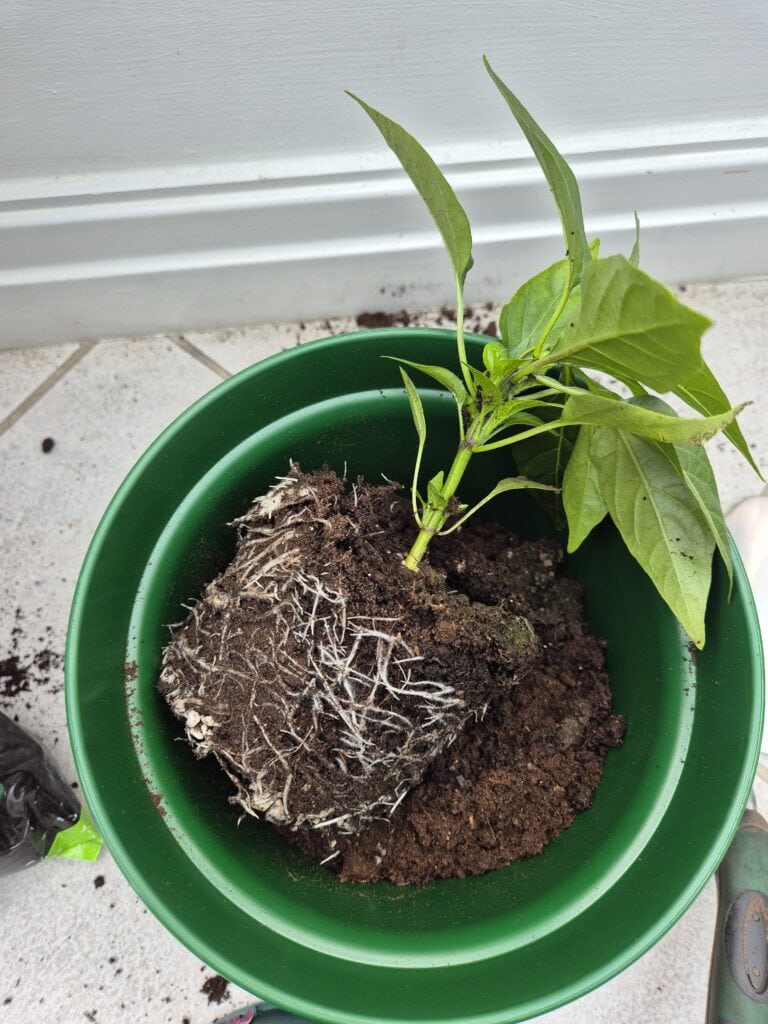
I started with mixed pot sizes, even raising one smaller pot on a couple of boxes to keep everything level under the light, but quickly had to repot the smaller chilli into a similar-sized container once growth picked up.
For the middle chilli plant, I added a mix with around 20% perlite (1/5) to improve drainage and airflow.
That gives a useful real-world comparison:
- Middle plant → lighter, more free-draining mix
- Others → standard compost
HomeGrower Insight: The 20% Perlite Rule
Indoors, air movement is limited. Adding around 20% perlite helps keep the soil loose and prevents it turning into a dense, soggy mix under regular watering.
Strengthening Stems Indoors
One thing you don’t get indoors is wind.
Since there’s no breeze, I just give the plants a quick shake whenever I walk past. It only takes a few seconds, but it helps the stems thicken up rather than just growing taller.
You could also use a small fan if you prefer.
Good light drives growth — but a bit of movement helps plants support that growth.
💧 Watering (More Often Than You Think)
Under a grow light, plants use more water than you might expect.
- Soil dries faster than a typical indoor setup
- Needs checking regularly (every couple of days)
- Easy to overwater if drainage isn’t good
This is where adding perlite really helps — it keeps things balanced rather than soggy.
What Growth Looks Like
So far, growth has been:
- Compact (no stretching)
- Strong stems
- Deep green leaves
- Consistent across all plants
That’s the biggest difference compared to natural light — everything stays tighter and healthier.
⚠️ Any Downsides?
- Not designed for large growing spaces
- You’ll outgrow it if you scale up
- Still need to manage watering and spacing properly
But for a small indoor setup, those aren’t really issues.

Final Thoughts
This is the point where indoor growing becomes reliable.
You don’t need a grow tent or a complex setup — just a decent light, a simple structure, and a bit of consistency.
From my experience so far, the XS1500 Pro comfortably handles around three plants, with strong, healthy growth and very little fuss.
FAQs
How many plants can the ViparSpectra XS1500 Pro support?
In this ViparSpectra XS1500 Pro review, I’ve found it comfortably supports around 2–3 plants for flowering in a small indoor setup.
How far should the ViparSpectra XS1500 Pro be from plants?
A good starting point is around 25–35cm above the canopy, adjusting as plants grow. If it’s too close, you may start to see slight leaf curl.
How many hours a day should you run the ViparSpectra XS1500 Pro?
For most indoor growing, around 14–16 hours per day works well to maintain steady, consistent growth.
Is the ViparSpectra XS1500 Pro good for tomatoes and chillies?
Yes — this light is strong enough for fruiting plants like tomatoes and chillies, where cheaper grow lights often struggle.
Do you need a grow tent with the ViparSpectra XS1500 Pro?
No — as shown in this setup, a simple arrangement like a clothes rack works well without needing a full grow tent.