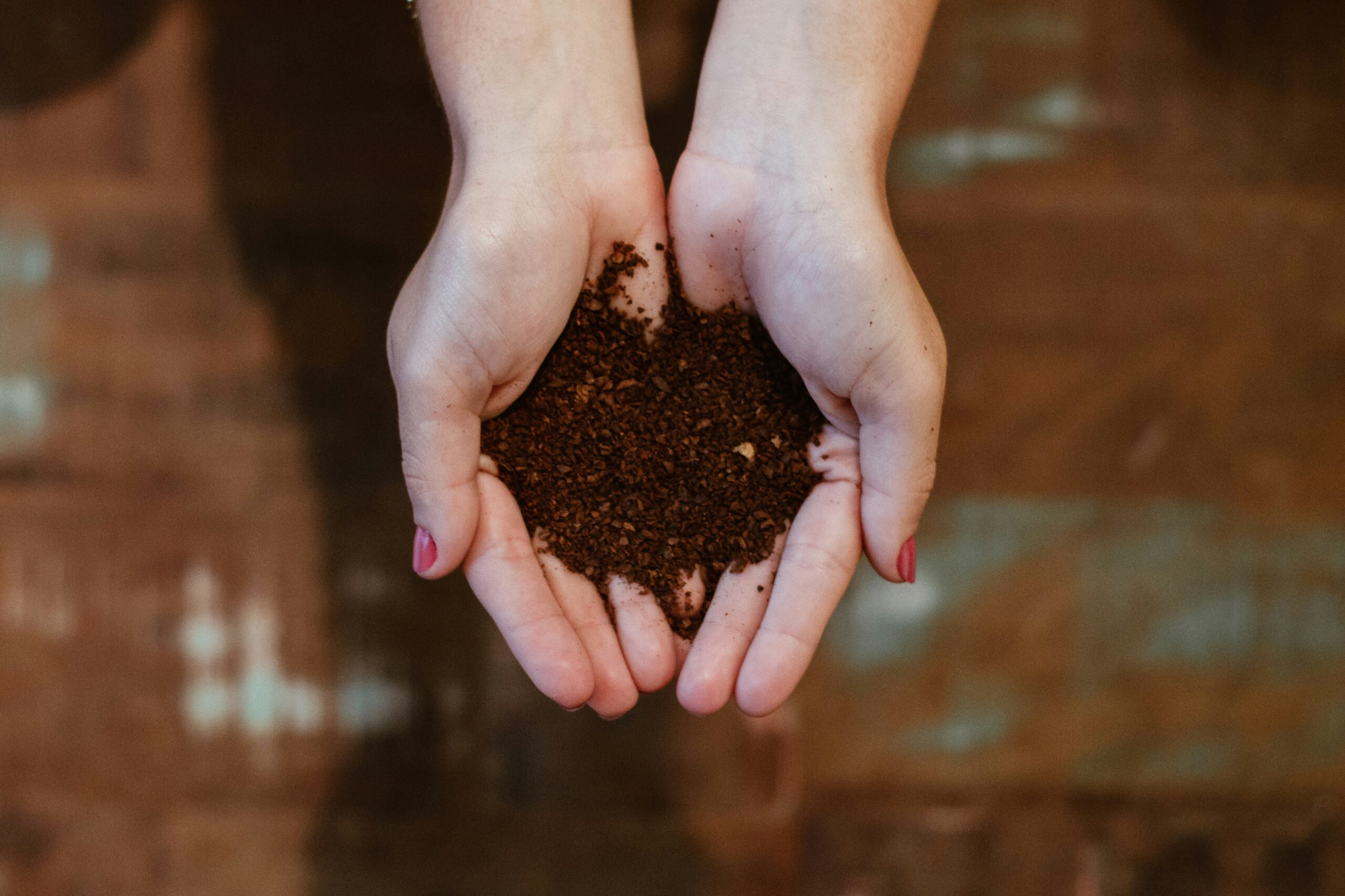
Growing herbs, salads, chillies, or even compact tomatoes indoors is far easier when you start with the right soil. Choosing the best soil for growing food indoors in the UK helps plants stay healthy, reduces pests, and leads to better harvests with much less frustration.
Indoors, soil behaves very differently from garden beds — it stays wetter for longer, dries unevenly near heat sources, and has no natural ecosystem to keep problems in check.
This guide focuses specifically on soil and compost choice. For a broader overview of containers, lighting, hydroponics, and year-round indoor setups, see our complete guide to indoor growing in the UK.
Why You Shouldn’t Use Garden Soil Indoors
It’s tempting to save a few quid by grabbing a trowel of soil from the garden, but it’s a shortcut that usually backfires. Outdoors, garden soil is a living ecosystem. Inside a warm house, it quickly becomes an invitation for poor drainage, pests, and frustration.
Garden soil is rarely the best soil for growing food indoors in the UK because it:
- Is heavy and compacts easily in pots
- Drains poorly, which can suffocate roots
- Brings in pests, weed seeds, and fungal spores
Outdoors, natural predators keep these issues under control. Indoors, they quickly escalate into major problems.
Compost, Potting Mix, or Seed-Starting Mix – Which Is Best?
Understanding the differences helps you choose the best soil for growing food indoors in the UK for each stage of growth:
Multi-purpose compost
Easy to find, but quality varies. Good for potting on, not ideal for germination.
As the UK moves away from peat, most composts you’ll find now are peat-free. They’re much better environmentally, but they can dry out faster indoors, so watering habits may need a small adjustment.
Potting mix
Formulated for containers. Light, airy, and draining well. Excellent for herbs, leafy greens, and general indoor growing.
Seed-starting mix
Fine, sterile, and low in nutrients. Great for germinating seeds and reducing problems like damping-off disease.
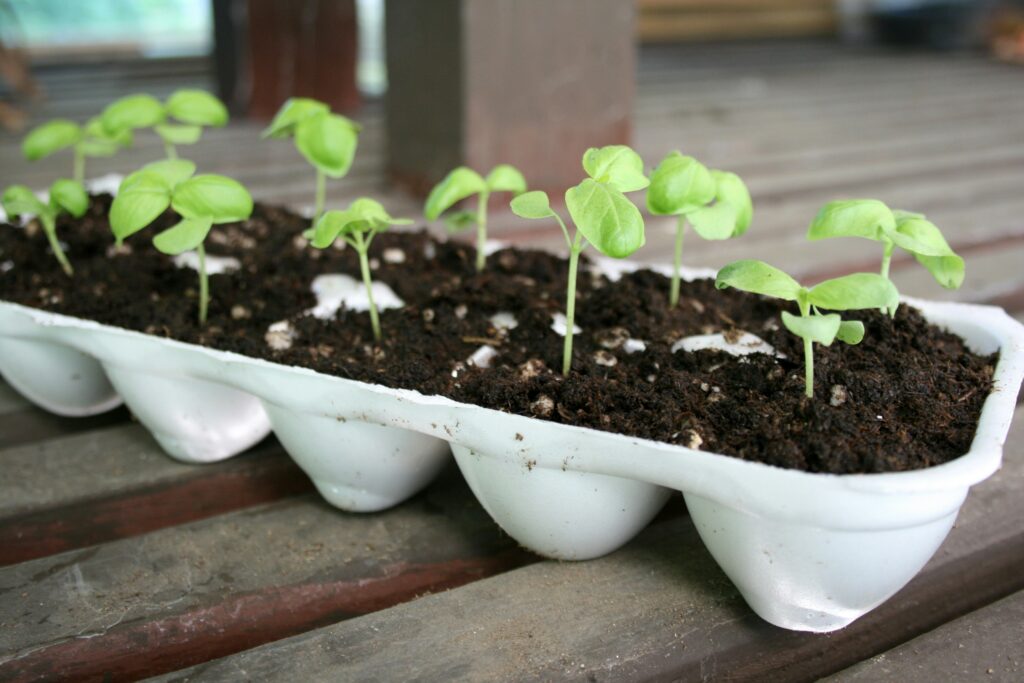
Seedlings started in a purpose-made seed tray, where soil choice and watering are especially important indoors.
Seedlings vs. Mature Plants: How Soil Needs Change
Seed Stage
Seeds don’t need nutrient-rich compost. A fine, sterile seed-starting mix prevents fungus problems and supports fast germination.
Potting On
When seedlings have their first true leaves, move them into a nutrient-rich potting mix to support steady growth.
Mature Plants
Tomatoes, chillies, peppers, and larger crops prefer a richer compost (often labelled tomato or vegetable compost).
Herbs and salad leaves do well in most high-quality indoor potting mixes.
Think of it as: baby food → solid meals → full adult diet.
The Fungus Gnat Problem (and How to Avoid It)
If you buy a massive, soggy bag of “bargain” compost from a petrol station or DIY store, you’re often buying a colony of fungus gnats for free. These tiny black flies love damp indoor soil and are the bane of almost every indoor grower’s life.
Their larvae feed on plant roots and can weaken seedlings.
To prevent fungus gnats:
- Choose sterile indoor compost
- Allow the top 1–2 cm of soil to dry slightly before watering again
- Improve airflow
- Use sticky traps if needed
Switching to sterile mixes dramatically reduces the chance of gnats appearing.
What to Look For in Indoor Growing Soil
For the best soil for growing food indoors in the UK, aim for:
- Light, airy texture that does not compact
- Good drainage (often with perlite or vermiculite)
- Sterile, pest-free formulation
- Peat-free ingredients where possible
- Optional extras like mycorrhizae or slow-release nutrients
Whether you call it soil, dirt, or compost — the term most UK gardeners use for what comes in a bag — what matters most indoors is texture and drainage.
Do Different Crops Need Different Soil?
Herbs & salad leaves
Grow well in most good-quality potting mixes.
Tomatoes & peppers
Perform best in nutrient-rich vegetable or tomato compost.
Microgreens
Do well in seed-starting mix, coconut coir, or even kitchen paper.
Don’t feel you need a garage full of different bags. In reality, you can get away with one high-quality, peat-free indoor potting mix for almost everything — you may just need to feed heavier hitters like tomatoes a bit more often once they get going.
If you’re deciding between compost-based growing and water-based systems, our hydroponics vs soil growing guide compares both approaches side by side for UK homes.
Bottom Line
The best soil for growing food indoors in the UK is:
- A sterile seed-starting mix for germination
- A peat-free potting compost for young plants
- A nutrient-rich tomato or vegetable compost for mature crops
Following this simple progression prevents pests, avoids compaction, and supports healthy growth from seed to harvest.
For further trusted advice, the Royal Horticultural Society (RHS) has an excellent library of resources on compost, soil health, and plant care.
📎 Related Articles
What is the best soil for growing food indoors in the UK?
The best soil for growing food indoors in the UK is a sterile seed-starting mix for germination, followed by a peat-free potting compost as seedlings develop, and finally a nutrient-rich tomato or vegetable compost for mature plants.
Can I use garden soil indoors for growing vegetables?
It’s not recommended. Garden soil is heavy, doesn’t drain well, and often carries pests like fungus gnats. For indoor food growing, sterile compost or potting mixes are much better.
Do I need different compost for herbs, salads, and tomatoes?
Yes. Herbs and salads grow well in a standard potting compost, while fruiting plants like tomatoes and peppers do best in a nutrient-rich tomato compost.
How do I stop fungus gnats in indoor compost?
Use sterile seed-starting and potting mixes, let the soil surface dry slightly between watering, and consider sticky traps if gnats appear
Is peat-free compost good for indoor food growing?
Yes. Peat-free composts are now high quality, eco-friendly, and widely available in the UK. They’re suitable for most indoor edible crops.
Is growing food indoors cheaper than buying it from the supermarket?
Honestly, not always. If you just want one salad, it’s usually cheaper to buy it. Indoor growing starts to make sense when you focus on high-value crops like herbs and cut-and-come-again salad leaves that don’t travel or store well.
A big part of the appeal for many people is freshness and control. When you grow at home, you’re cutting leaves straight from the plant instead of buying produce that’s been harvested days earlier and sealed in plastic for transport and storage.
Using good soil helps here too. A decent peat-free potting compost can be reused, refreshed, and topped up over time, which keeps costs down and avoids constantly replacing poor-quality mixes that cause problems.