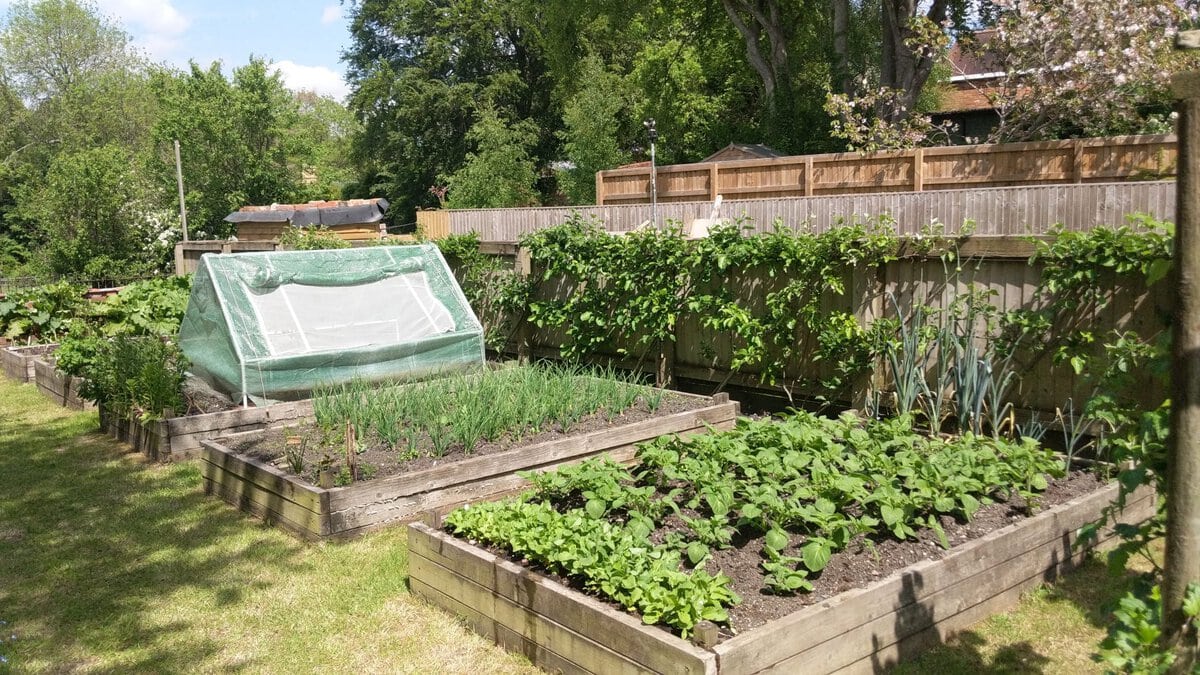
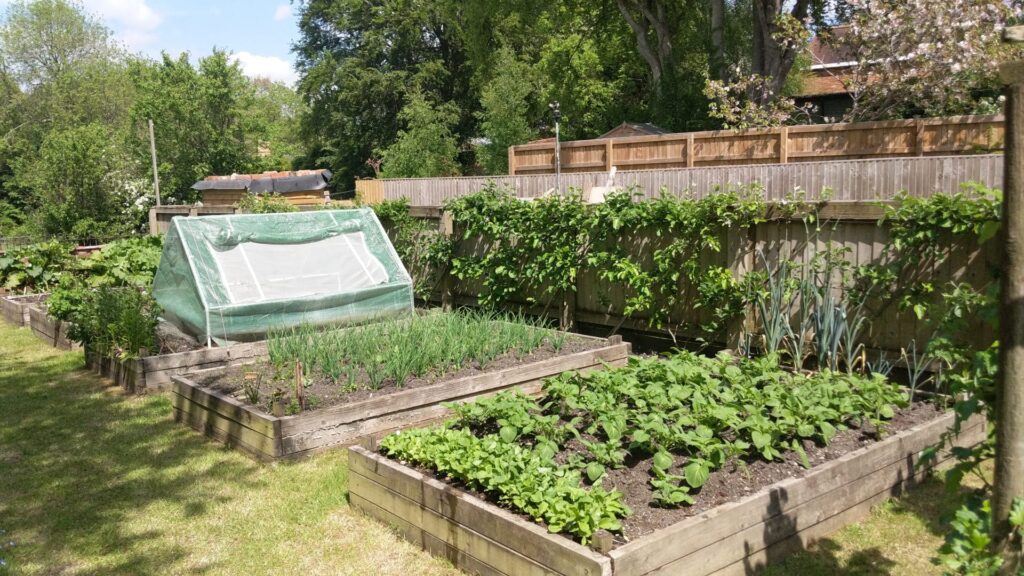
May is one of the biggest turning points in the UK gardening year.
By now, the soil is warming, days are much longer, seedlings grow quickly, and many crops can finally move from windowsills and greenhouses into outdoor beds. It’s the month when the garden starts to feel properly alive — but it’s also the month when gardeners are most likely to get carried away.
May is a tease.
It can feel like midsummer at 2pm, then feel like early spring again at 2am. One warm bank holiday weekend is enough to send everyone rushing to the garden centre, but a single cold night can still damage tender plants like tomatoes, courgettes, cucumbers and basil.
That’s why May is best treated as two different months:
- Early May is for sowing hardy crops, preparing beds, hardening plants off, and moving cautiously.
- Late May is when many tender crops can start going outside, once your local frost risk has passed.
In this guide, we’ll look at what to plant in May in the UK, what to sow directly outdoors, what to start under cover, and what can be moved outside safely.
If you’re looking for a broader overview of how outdoor growing fits together through the year, see the HomeGrower Guide to Outdoor Growing.
🌱 What to Plant in May: Quick Guide
If you want a quick overview, these are some of the most useful crops to sow, plant or move outside in May.
Sow Outdoors
- Carrots
- Beetroot
- Lettuce
- Rocket
- Radish
- Spinach
- Chard
- Spring onions
- Peas
- French beans
- Runner beans
- Sweetcorn
- Courgettes
- Pumpkins
- Squash
- Sunflowers
- Nasturtiums
- Marigolds
Start Indoors or Under Cover
- Cucumbers
- Courgettes
- Pumpkins
- Squash
- Sweetcorn
- Basil
- Late tomatoes
- Winter brassicas
If you’re starting a lot of seedlings under cover, a small greenhouse or full-size 8×6 greenhouse can make May much easier — especially for tomatoes, peppers, cucumbers and hardening plants off before they go outside. For larger garden setups, see our guide to the best 8×6 greenhouses for UK gardens.
Move Outside After Hardening Off
- Tomatoes
- Courgettes
- Cucumbers
- French beans
- Runner beans
- Sweetcorn
- Pumpkins
- Squash
- Lettuce
- Brassicas
- Hardy herbs
- Summer flowers
The key phrase in May is after hardening off.
Plants raised indoors or in a greenhouse need time to adjust to outdoor wind, sun and cooler nights. Moving them straight outside can shock them, even if there is no frost.
⚠️ The May Gamble: Don’t Rush Tender Plants
May is when patience really pays off.
A sunny day can make it feel like everything should go outside immediately, but tender plants do not care how warm it felt at lunchtime. They care about the overnight low.
The main crops to be careful with are:
- Tomatoes
- Courgettes
- Cucumbers
- Squash
- Pumpkins
- French beans
- Runner beans
- Sweetcorn
- Basil
- Chillies
- Peppers
These plants can be checked, damaged or killed by cold nights.
For tomatoes and beans, waiting until after the last frost is usually enough. For basil and cucumbers, even chilly nights around 8°C can be enough to stop them growing properly for weeks. They are the divas of the May garden.
If you are unsure, wait a few more days.
A slightly late courgette usually catches up. A frost-damaged one often doesn’t.
📊 What to Sow or Move Outside in May
May gives you plenty of options, but the timing depends on whether a crop is hardy or tender.
| Crop | Sow Indoors | Sow Outdoors | Move Outside |
|---|---|---|---|
| Tomatoes | ✔ early May only | ✘ | After frost risk |
| Courgettes | ✔ | ✔ late May | After frost risk |
| Cucumbers | ✔ | ✔ sheltered/late | After frost risk |
| French beans | ✔ | ✔ | After frost risk |
| Runner beans | ✔ | ✔ | After frost risk |
| Sweetcorn | ✔ | ✔ late May | After frost risk |
| Carrots | ✘ | ✔ | ✘ |
| Beetroot | ✘ | ✔ | ✔ if module-grown |
| Lettuce | ✔ | ✔ | ✔ |
| Rocket | ✘ | ✔ | ✔ |
| Spinach | ✘ | ✔ | ✔ |
| Basil | ✔ | ✘ usually | Late May/June only |
Tomatoes
Sow indoors: ✔ early May only
Sow outdoors: ✘
Move outside: After frost risk
Courgettes
Sow indoors: ✔
Sow outdoors: ✔ late May
Move outside: After frost risk
Cucumbers
Sow indoors: ✔
Sow outdoors: ✔ sheltered/late
Move outside: After frost risk
French beans
Sow indoors: ✔
Sow outdoors: ✔
Move outside: After frost risk
Runner beans
Sow indoors: ✔
Sow outdoors: ✔
Move outside: After frost risk
Sweetcorn
Sow indoors: ✔
Sow outdoors: ✔ late May
Move outside: After frost risk
Carrots
Sow indoors: ✘
Sow outdoors: ✔
Move outside: ✘
Beetroot
Sow indoors: ✘
Sow outdoors: ✔
Move outside: ✔ if module-grown
Lettuce
Sow indoors: ✔
Sow outdoors: ✔
Move outside: ✔
Rocket
Sow indoors: ✘
Sow outdoors: ✔
Move outside: ✔
Spinach
Sow indoors: ✘
Sow outdoors: ✔
Move outside: ✔
Basil
Sow indoors: ✔
Sow outdoors: ✘ usually
Move outside: Late May/June only
A useful May rule:
Hardy crops can usually go outside early in the month. Tender crops should wait until your local frost risk has passed.
❄️ Early May vs Late May: The Frost Split
May is not one single planting window.
It helps to think of it in two halves.
Early May
Early May is good for:
- sowing hardy crops outdoors
- planting potatoes if you are running late
- sowing carrots, beetroot, lettuce, peas and radish
- starting beans in pots
- hardening off greenhouse and indoor seedlings
- preparing beds for tender plants
- potting on tomatoes, chillies and peppers
But it is still risky for:
- tomatoes outdoors
- courgettes
- cucumbers
- runner beans
- French beans
- squash
- pumpkins
- basil
These can all be damaged by cold nights.
Late May
Late May is when many UK gardeners begin planting out tender crops properly.
This is the safer window for:
- tomatoes
- courgettes
- cucumbers
- French beans
- runner beans
- sweetcorn
- pumpkins
- squash
- tender herbs
- summer bedding
Even then, it depends on your garden.
If you are in northern England, Scotland, Wales, a frost pocket, or an exposed site, waiting another week is often better than rushing.
🌍 North vs South: May Timing Still Varies
In southern and sheltered parts of the UK, May can feel almost like early summer.
In colder areas, May can still behave like spring.
That means planting dates vary a lot depending on:
- your region
- altitude
- wind exposure
- whether your garden holds cold air
- whether you grow in open beds, raised beds or containers
- whether you have fleece, cloches or a greenhouse
Raised beds and containers often warm faster than open ground, but they can also dry out quickly once growth speeds up.
The best guide is your own garden.
If weeds are growing strongly, soil feels warm and nights are staying mild, sowing outdoors becomes much more reliable. If growth still feels slow and nights are cold, hold tender plants back a little longer.
🌿 Vegetables to Sow Outdoors in May
May is one of the best months for direct sowing vegetables outdoors.
The soil is warmer than in March and April, which usually means faster germination and stronger early growth.
Good outdoor sowings include:
- Carrots
- Beetroot
- Radish
- Lettuce
- Rocket
- Spinach
- Chard
- Spring onions
- Peas
- French beans
- Runner beans
- Sweetcorn
- Courgettes
- Pumpkins
- Squash
For quick results, radish, rocket and salad leaves are especially useful. They grow fast and can fill gaps between slower crops.
For longer-term crops, May is a good time to get beans, courgettes, squash and sweetcorn moving.
⭐ HomeGrower Favourites for May Sowing
If you are not sure where to start, these are simple, reliable choices for a typical UK garden.
| Crop | Variety idea | Why it works well |
|---|---|---|
| Carrots | Nantes 2 | A reliable, fast-growing carrot for many UK soils. |
| Courgettes | Black Beauty | Productive, forgiving, and usually more than enough with one or two plants. |
| Sunflowers | Velvet Queen | A darker red sunflower if you want something different from the usual yellow. |
You do not need to grow unusual varieties to have a good season. In May, reliable often beats exciting — especially if you are still building confidence.
Beans to Sow or Plant Out in May
May is a key month for beans.
You can sow:
- French beans
- Runner beans
- Dwarf beans
- Climbing beans
In colder areas, it is safer to start beans in pots indoors or in a greenhouse, then plant them out once conditions are mild.
Beans dislike cold, wet soil, so don’t rush them into a chilly bed. If the soil still feels cold, wait.
Once they do get going, beans grow quickly and need support early. Put canes, wigwams or netting in place before the plants become tangled.
And protect them from slugs immediately. A young bean plant is basically a soft green invitation.
🌽 Sweetcorn in May
Sweetcorn can be sown or planted out in May, but it needs warmth.
If sowing outside, late May is usually safer than early May. If you started sweetcorn indoors, harden it off before planting.
Sweetcorn is wind-pollinated, so it grows best in blocks rather than one long row.
That means planting it in a square or rectangle rather than a thin line. A single row can pollinate poorly, leaving you with cobs that have missing kernels.
A small block gives the plants a much better chance of pollinating each other properly.
🥒 Courgettes, Cucumbers, Pumpkins and Squash
These are classic May crops, but they are also easy to rush.
Courgettes, pumpkins and squash grow quickly once they get going, so they don’t need to be started too early. Plants sown in late April or May often catch up well.
The main risk is cold.
Keep them indoors or under cover until nights are reliably mild. Before planting out, harden them off gradually and protect them from slugs.
Young courgettes and squash are slug magnets. If you plant them out on a damp evening with no protection, they can disappear overnight.
Cucumbers need even more caution. They dislike cold nights and can sulk badly if moved out too early. Unless you have a warm greenhouse or a very sheltered spot, they are often better kept protected.
🍅 Moving Tomatoes Outside in May
Tomatoes are one of the crops people are most tempted to move outside too early.
In a greenhouse, tomatoes can usually move on well during May. Outdoors, they need more caution.
Plant outdoor tomatoes only when:
- nights are mild
- frost risk has passed
- plants have been hardened off
- you have a sunny, sheltered position
- you can protect them if a cold night is forecast
If your tomatoes are already flowering indoors or under a grow light, don’t panic. They can still move outside later, but do it gradually.
A sudden move from a warm windowsill or grow light setup to outdoor wind and cold nights can stress the plant.
If you find your seedlings became leggy after a dull spring, a proper grow light can still help with late sowings and compact indoor growth. I’ve covered my own setup in the ViparSpectra XS1500 Pro review.
🌶 What About Chillies and Peppers?
Chillies and peppers are more cautious than tomatoes.
They like warmth and can sulk if moved outside too early. In many UK gardens, they do better in a greenhouse, conservatory, sunny porch or very sheltered patio than fully exposed outdoors.
You can move them outside on warm days to harden off, but bring them back in if nights are cool.
For most UK growers, chillies and peppers are best treated as protected crops unless you have a warm microclimate.
🌿 Basil and Tender Herbs
Basil deserves special caution.
It may look like a simple herb, but it is much more tender than parsley, chives, mint or coriander.
Basil can struggle badly if nights drop too low, especially if it has been raised indoors. Even temperatures around 8°C can check its growth, leaving it looking miserable for weeks.
It is usually better kept inside, in a greenhouse, or only moved outside in late May or June once conditions are properly warm.
Hardier herbs such as parsley, chives, thyme and mint are much more forgiving.
🥔 Potatoes in May
April is the main potato planting month, but you can still plant potatoes in May if you are running late.
This is especially true for:
- second earlies
- maincrop potatoes
- potatoes in containers or bags
If shoots are already above ground and frost is forecast, cover them with soil, fleece or another temporary protection.
Earthing up is still important because it:
- protects young shoots
- encourages covered stem growth
- prevents potatoes near the surface turning green
If your potatoes are already growing strongly, May becomes more about watering, earthing up and watching for frost than new planting.
🥬 Succession Sowing in May
May is a good month to start succession sowing properly.
Instead of sowing a whole packet at once, sow small amounts every couple of weeks.
This works well for:
- lettuce
- rocket
- radish
- spinach
- spring onions
- beetroot
- carrots
- coriander
It gives you a steadier harvest and avoids the classic problem of everything being ready at the same time.
This is especially useful for salad crops. A small row every two weeks is usually more practical than one huge sowing that bolts or overwhelms you.
🌸 Flowers to Sow or Plant in May
May is also a strong month for flowers.
You can sow or plant:
- Cosmos
- Sunflowers
- Nasturtiums
- Marigolds
- Zinnias
- Calendula
- Cornflowers
- Dahlias
- Sweet peas
- Bedding plants after frost risk
Tender bedding and dahlias should still wait until frost risk has passed.
Hardier annuals can usually go out earlier, while tender plants are better held back until late May in colder gardens.
Nasturtiums and marigolds are especially useful around vegetable beds because they add colour and can help draw pollinators into the garden.
How to Harden Plants Off Properly
Hardening off is one of the most misunderstood parts of gardening.
It does not just mean opening a window or putting plants outside once and hoping for the best.
Plants raised indoors or in a greenhouse are used to:
- still air
- filtered light
- warmer nights
- less direct sun
- fewer temperature swings
Outside, they suddenly have to deal with wind, UV light, colder nights and stronger sun.
A simple hardening-off routine looks like this:
| Stage | What to do |
|---|---|
| Days 1–2 | Put plants outside for a few hours in a sheltered, shaded spot. Bring them in at night. |
| Days 3–4 | Give them longer outside, still avoiding strong wind and harsh midday sun. |
| Days 5–6 | Let them experience more light and normal daytime conditions. |
| Days 7+ | Leave them out overnight if temperatures are mild and no frost is forecast. |
Wind matters just as much as cold.
A plant that looks strong indoors can flop quickly outside if it has never had to deal with moving air. Direct sun can also scorch soft leaves, especially plants that have come from a windowsill or greenhouse.
Hardening off is boring, but it saves plants.
🐌 The May Slug War
By May, slugs and snails are fully active.
They are especially dangerous around:
- lettuce
- beans
- courgettes
- squash
- cucumbers
- sunflowers
- marigolds
- young brassicas
This is the month where you can plant out a healthy tray of seedlings in the evening and find nothing but stumps the next morning.
If you are moving French beans, courgettes or marigolds outside, assume the slugs have noticed.
Use protection from day one:
- check plants in the evening
- keep grass and weeds down around beds
- use barriers where useful
- protect young plants with collars or cloches
- lift pots and trays where slugs hide underneath
- consider a torch check after dark in wet weather
The unglamorous truth is that the evening torch walk is one of the most effective methods. It is not pretty, but neither is losing an entire row of beans overnight.
May growth is fast, but slug damage can be faster.
💧 Watering in May
May is when watering becomes much more important.
Seedlings and young plants are growing quickly, and trays can dry out much faster than they did in April.
This is especially true for:
- module trays
- small pots
- greenhouse plants
- containers
- raised beds
- peat-free compost
If May turns dry, newly planted crops can struggle just as much from lack of water as they can from cold nights.
This is also a good time to think about water storage. If you collect rainwater, see the HomeGrower guide to setting up a water butt.
🌿 Peat-Free Compost: The May Watering Trap
Peat-free compost can be tricky in May.
It can look dry on top while still being wet underneath. Or it can shrink away from the sides of the pot, so water runs straight down the gap and out of the bottom without properly soaking the rootball.
The surface does not always tell the truth.
Use the finger test:
Push your finger into the compost up to the second knuckle.
If it is dry there, water it. If it still feels damp, leave it.
The aim is evenly moist compost — not dust-dry, but not permanently soaked either.
This matters especially for young plants in pots, because their roots are still limited. They cannot search deep into the soil for moisture yet.
🌡 Greenhouses in May
A greenhouse is extremely useful in May, but it can also overheat quickly.
On sunny days, even an unheated greenhouse can become very warm. Seedlings that needed protection in April may suddenly need ventilation and shade.
In May, use a greenhouse for:
- hardening off tender plants
- growing tomatoes
- protecting chillies and peppers
- starting cucumbers, squash and courgettes
- sheltering young plants from wind
- giving backup protection during cold nights
But remember to ventilate.
A closed greenhouse on a sunny May afternoon can stress young plants surprisingly quickly.
If you’re planning what to grow under cover, see the greenhouse planting calendar for a month-by-month guide.
And if you need a compact setup for seedlings and tender crops, our guide to the best mini greenhouses covers small UK garden options.
🌿 What You Can Harvest in May
May is still a planting-heavy month, but harvests start to become more useful.
Depending on what you already have growing, you may be harvesting:
- rhubarb
- salad leaves
- rocket
- radish
- spinach
- spring onions
- chives
- mint
- parsley
- overwintered chard
- early herbs
Rhubarb is often still one of the most reliable May harvests. Salad crops also start becoming more useful, especially if you sowed under cover earlier in spring.
May is the point where the garden begins to shift from preparation into regular picking.
🌱 Final Thoughts
May is one of the most exciting months in the UK gardening calendar.
You can sow a huge range of crops, move seedlings outside, plant up containers, start beans and courgettes, and begin seeing proper growth across the garden.
But May still rewards patience.
Hardy crops can usually get going early in the month, while tender plants are better treated carefully until frost risk has passed. If in doubt, wait a few more days, harden plants off properly, and keep fleece or cloches nearby.
A slightly cautious May usually gives you stronger plants for summer.
For general gardening advice and seasonal guidance, the Royal Horticultural Society is a useful reference for UK gardeners.
📎 Related Articles
- The HomeGrower Guide to Outdoor Growing
A complete guide to growing vegetables and plants outdoors in the UK, including seasonal planting advice and how the year fits together. - The HomeGrower Guide to Greenhouses and Polytunnels
Learn how greenhouses and polytunnels help protect young plants, harden off seedlings, and manage unpredictable UK spring weather. - Best LED Grow Lights for Indoor Plants in the UK
Compare grow lights for starting seedlings indoors, rescuing leggy plants, and growing herbs or young plants before they move outside.
❓ Frequently Asked Questions
What vegetables can you plant in May in the UK?
In May, you can sow carrots, beetroot, lettuce, rocket, radish, spinach, chard, peas, French beans, runner beans, sweetcorn, courgettes, pumpkins and squash. Tender crops should only go outside once frost risk has passed.
Can I plant tomatoes outside in May?
You can plant tomatoes outside in May once nights are mild, frost risk has passed, and the plants have been hardened off. In colder or exposed gardens, late May or early June is often safer.
What can I move outside in May?
You can move tomatoes, beans, courgettes, cucumbers, sweetcorn, squash, pumpkins, lettuce, herbs and flowers outside in May, but tender plants need hardening off first.
Is early May too soon to plant out courgettes?
In many UK gardens, early May is still too soon for courgettes outdoors. They are tender plants and should usually wait until after the last frost risk has passed.
What should I avoid planting outside in May?
Avoid planting tender crops such as tomatoes, cucumbers, courgettes, squash, pumpkins, basil and beans outside too early. They can be damaged by cold nights or late frost.
Can I still plant potatoes in May?
Yes, you can still plant potatoes in May, especially second earlies, maincrop potatoes, or potatoes grown in bags and containers. Earlier planting is usually better, but May is not too late.
Do I need to harden plants off in May?
Yes. Plants raised indoors or in a greenhouse should be hardened off before planting outside. This helps them adjust to wind, direct sun, cooler nights and changing outdoor conditions.