
Last updated January 2026
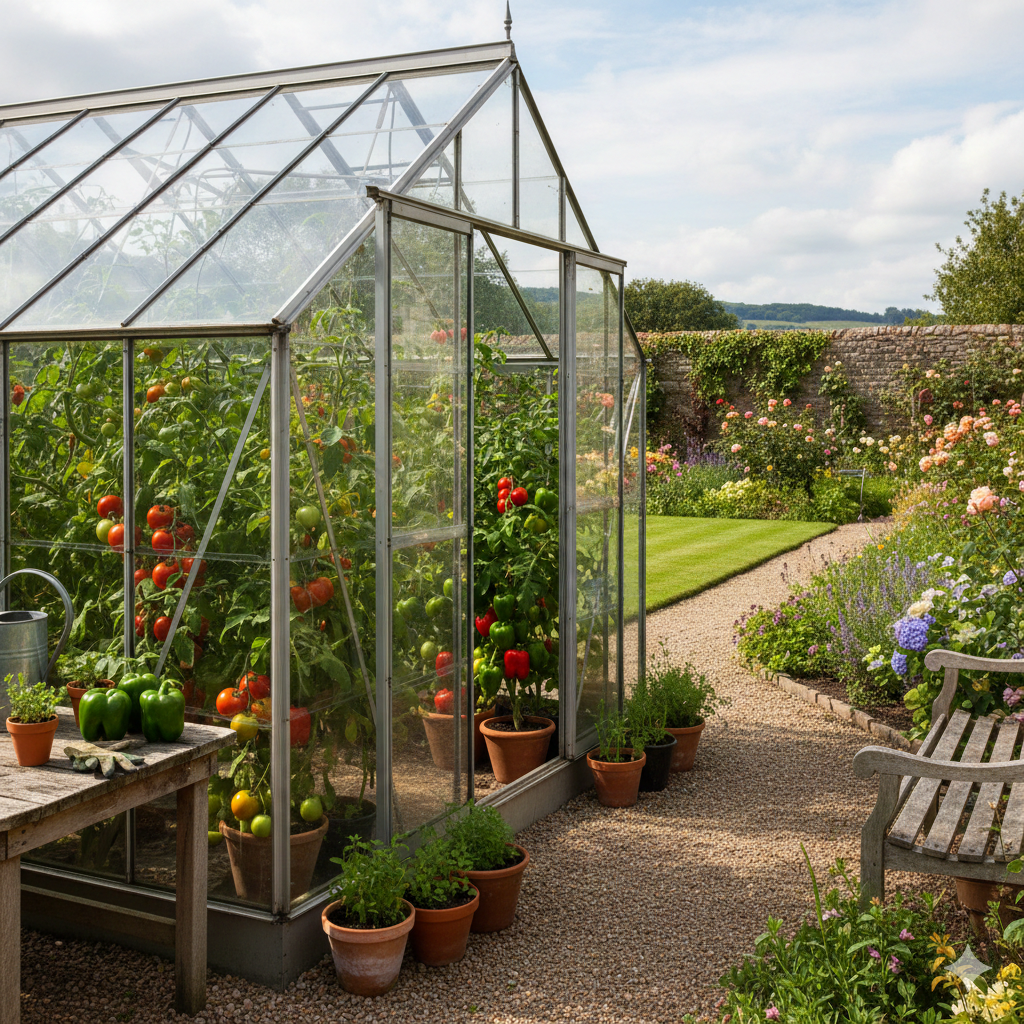
Growing under cover is one of the most effective ways to get better results from your garden in the UK. Whether you’re using a traditional greenhouse or a polytunnel, the core principles are the same: protect plants from the weather, extend the growing season, and create a more stable environment for growth.
This guide explains how to use a greenhouse or polytunnel properly, what you can grow throughout the year, and how to avoid the most common beginner mistakes.
If you’d like a broader overview, see our HomeGrower guide to greenhouses and polytunnels . It explains how the different greenhouse and polytunnel options compare, how they’re typically used in UK gardens, and links out to our more detailed guides so you can explore specific topics in more depth when you’re ready.
🌞 What Does a Greenhouse or Polytunnel Actually Do?
At its most basic level, a greenhouse or polytunnel traps solar heat, protects plants from wind and heavy rain, reduces pest pressure, and creates a more controlled growing environment.
This warmer microclimate allows plants to grow faster, stronger, and for longer than they would outdoors. In general, greenhouses tend to retain heat more consistently, while polytunnels warm up quickly during the day but lose heat faster overnight. Both systems work extremely well when used correctly and matched to the space you have available.
For more guidance on choosing the right greenhouse and understanding how different designs affect growing conditions, see the RHS guide on choosing greenhouses.
📍 Where to Position Your Greenhouse or Polytunnel
Good positioning makes a huge difference to how successful your greenhouse growing will be.
Ideally, your structure should receive plenty of sunlight throughout the day, with a south or south-east facing position working best in most UK gardens. Some shelter from strong winds is important, especially for lighter structures, and the ground should drain freely to avoid standing water.
For smaller gardens or patios, a lean-to greenhouse fixed against a sunny wall can be an excellent space-saving solution while still providing good growing conditions.
One UK-specific mistake I see all the time is ignoring winter shadows. The sun sits low for much of the year, so before fixing a greenhouse in place, stand there around 2pm in late autumn. If your own house, a fence, or next door’s extension throws shade across it, winter crops will struggle no matter how well you ventilate or water. Even small pockets of extra winter sun can noticeably improve internal temperatures and plant survival during cold spells.
🌱 What Can You Grow in a Greenhouse or Polytunnel?
One of the biggest misconceptions is that greenhouses are only useful in summer. In reality, they support productive growing almost all year round.
🌱 Spring
Spring is ideal for raising seedlings such as tomatoes, peppers, and chillies, as well as early salads and herbs. A mini greenhouse is ideal for seedlings at this time of year, especially if you’re short on space or just getting started.
☀️ Summer
Summer is when most greenhouses are at their most productive. Tomatoes, cucumbers, peppers, chillies, and aubergines all thrive in the warmer, sheltered conditions.
🍂 Autumn
As temperatures cool, greenhouses allow you to keep growing salads and herbs for longer and provide a protected space for overwintering young plants.
❄️ Winter
Even without heating, a greenhouse or polytunnel can support hardy winter crops such as spinach and salad leaves, while also giving you a head start on early sowings for spring.
If you don’t want to guess what to sow each month, our month-by-month greenhouse calendar shows exactly what works in UK conditions.
🪴 Growing in the Ground vs Pots and Grow Bags
You can grow successfully in a greenhouse or polytunnel using several different methods.
Growing directly in the ground works well for long-term crops like tomatoes and cucumbers and helps retain moisture, though it does require some attention to soil health over time. Pots and containers are very beginner-friendly and easy to manage, making them popular in small greenhouses. Grow bags are also widely used, particularly for tomatoes and peppers, but they need regular feeding to keep plants healthy.
Many gardeners use a combination of all three depending on the crops they’re growing and the space available.
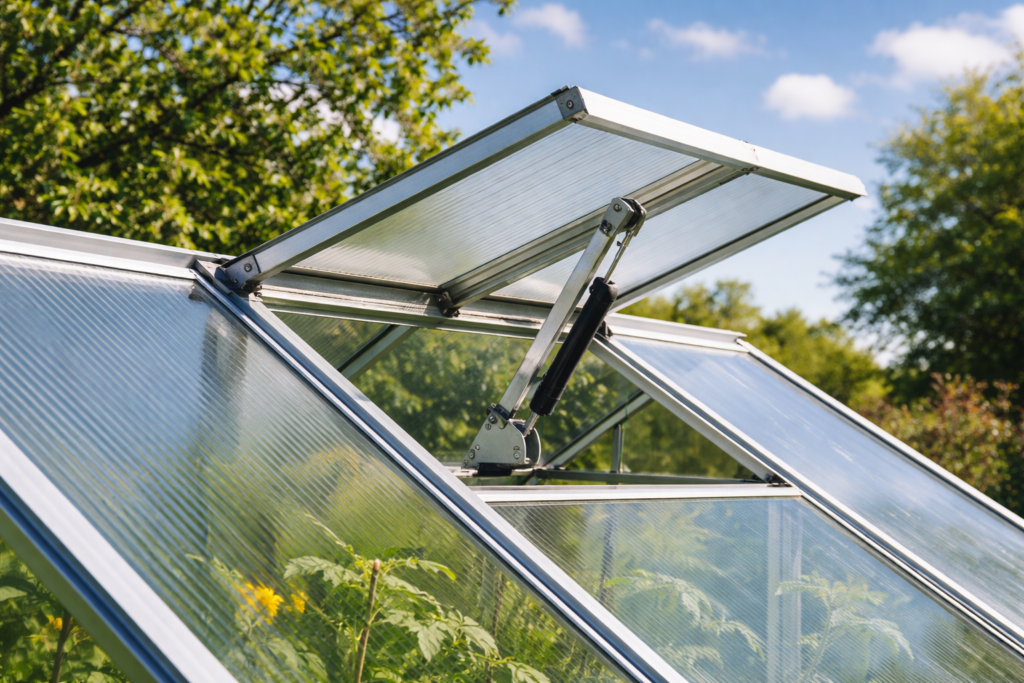
An open roof vent allows hot, humid air to escape — one of the simplest ways to prevent overheating and condensation in a UK greenhouse.
🌡️ Temperature Control: The Key to Success
Learning to manage temperature is one of the most important aspects of greenhouse growing.
Ventilation is essential, even on mild days, to prevent overheating and reduce the risk of disease. Doors and roof vents should be opened whenever temperatures rise. At night, greenhouses tend to hold warmth better than polytunnels, which may benefit from fleece or insulation during colder periods.
If you plan to grow through winter, even minimal heating can significantly improve results, especially in smaller structures.
If you’re considering heating, our guide on how to heat a greenhouse explains when extra heat is genuinely helpful — and when good ventilation and insulation are enough in UK conditions.
💧 Watering and Humidity
Plants grown under cover dry out much faster than those outdoors, particularly in warm weather.
Watering in the morning is usually best, as it allows excess moisture to evaporate during the day. Avoid leaving leaves wet overnight, and make sure there is enough airflow to prevent damp conditions building up. Striking the right balance between moisture and ventilation helps keep plants healthy and productive.
A simple rule of thumb: if your greenhouse smells damp or musty when you walk in, you’ve got too much moisture and not enough airflow. In the UK, grey mould (botrytis) causes more crop losses than cold. I often leave a roof vent cracked open even in November just to keep air moving.
In winter, condensation matters more than temperature. Dripping water on leaves overnight encourages disease even in hardy crops. A surprising fix is ventilation, not insulation — cracking a vent on dry days reduces moisture buildup far more effectively than sealing everything tight. Bubble wrap helps retain heat, but it should never block vents — airflow is what keeps plants healthy.
🌼 Feeding Plants in a Greenhouse or Polytunnel
Because plants grow more quickly under cover, they also use nutrients faster.
Once plants are established, regular feeding becomes important, particularly for fruiting crops such as tomatoes and peppers. Feeding little and often is generally more effective than applying large amounts infrequently, and overfeeding can cause just as many problems as underfeeding.
🐛 Pest Control Under Cover
Warm, sheltered environments can attract pests if problems are left unchecked.
Common greenhouse pests include aphids, whitefly, fungus gnats, and slugs. Good hygiene, regular checks, and proper ventilation go a long way towards preventing infestations. Catching issues early makes them much easier to manage without resorting to harsh treatments.
🔍 Greenhouse vs Polytunnel: Practical Differences
Although growing techniques are largely the same, there are some practical differences between greenhouses and polytunnels.
Greenhouses are generally sturdier and better at retaining heat, making them well suited to patios, smaller gardens, and year-round use. Polytunnels usually offer more growing space for the price and are ideal if you want to grow crops in rows or produce larger quantities of food. If you’re still deciding which option suits your garden best, comparing a greenhouse vs polytunnel can help clarify the choice.
⚠️ Common Beginner Mistakes to Avoid
Many new growers struggle for similar reasons. Overwatering, poor ventilation, overcrowding plants, ignoring temperature spikes, and forgetting to feed crops are all common mistakes. Avoiding these alone will put you well ahead of most beginners.
We’ve all done it — a bright April morning, door shut “just for the day”, and by the time you get home your seedlings have cooked. If you can’t reliably open and close vents during the day, an automatic wax vent opener is one of the best small upgrades you can make.
🌿 Is Growing in a Greenhouse or Polytunnel Worth It?
For most UK gardeners, the answer is yes.
Even a small greenhouse or polytunnel allows you to grow more food in less space, start earlier in spring, continue later into autumn, protect plants from bad weather, and enjoy more reliable harvests overall.
🌾 Final Thoughts
Learning how to use a greenhouse or polytunnel doesn’t require expert knowledge, just an understanding of the basics and a willingness to observe how plants respond. Once you grasp how light, temperature, water, and airflow work together, growing under cover becomes straightforward and rewarding.
Whether you choose a compact greenhouse for a patio or a larger polytunnel for food production, the skills you develop apply across both. Start simple, build confidence season by season, and use your greenhouse or polytunnel as a tool to make gardening more reliable and enjoyable.
Most people learn more from their first season under cover than from any guide — the key is starting simple and paying attention to how your greenhouse responds to the weather.