Choosing the best type of backup generator for your home can feel confusing, especially when options like solar, diesel and petrol generators all promise reliable power during outages or off-grid projects. Each generator type has strengths and weaknesses, and the right choice depends on how you plan to use it — whether that’s keeping essential appliances running during a power cut, powering tools in a shed or workshop, or supporting a more self-sufficient lifestyle.
This guide explains the key differences between solar, diesel and petrol generators in simple terms, helping you understand which option truly suits home use. Because HomeGrower focuses on sustainability and practical resilience, we also highlight why solar is becoming the preferred choice for quieter, cleaner and lower-maintenance backup power.
If you’re working toward a more resilient home, you may also find our Self-Sufficiency Hub useful, covering everything from off-grid power to water storage and low-energy growing systems.
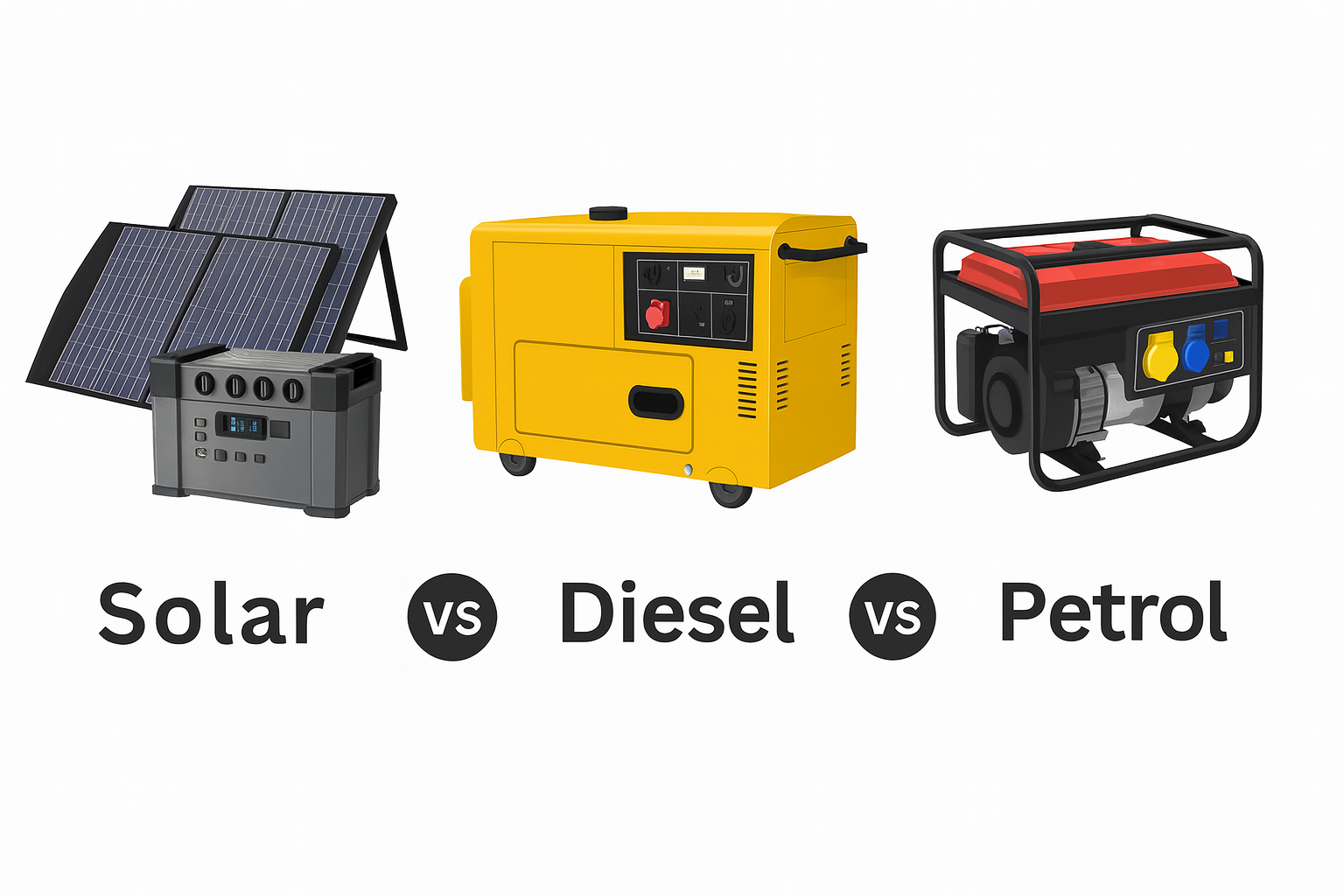
⭐ Solar vs Diesel vs Petrol Generators Compared
| Feature | Solar Generator | Diesel Generator | Petrol Generator |
|---|---|---|---|
| Running Cost | £0 once purchased | Medium | Highest |
| Noise | Silent / very low | Loud | Medium |
| Emissions | None | High | Medium–High |
| Indoor Use | Safe | Unsafe | Unsafe |
| Maintenance | Minimal | High | Medium |
| Best For | Home backup, sheds, greenhouses, camping | Heavy tools, long runtimes | Occasional DIY use |
| Environmental Impact | Excellent | Poor | Poor |
If you want clean, quiet, low-cost power, solar is the clear winner.
If you need continuous heavy power, diesel and petrol still have specific roles — with trade-offs.
1. Solar Generators: The Cleanest Option
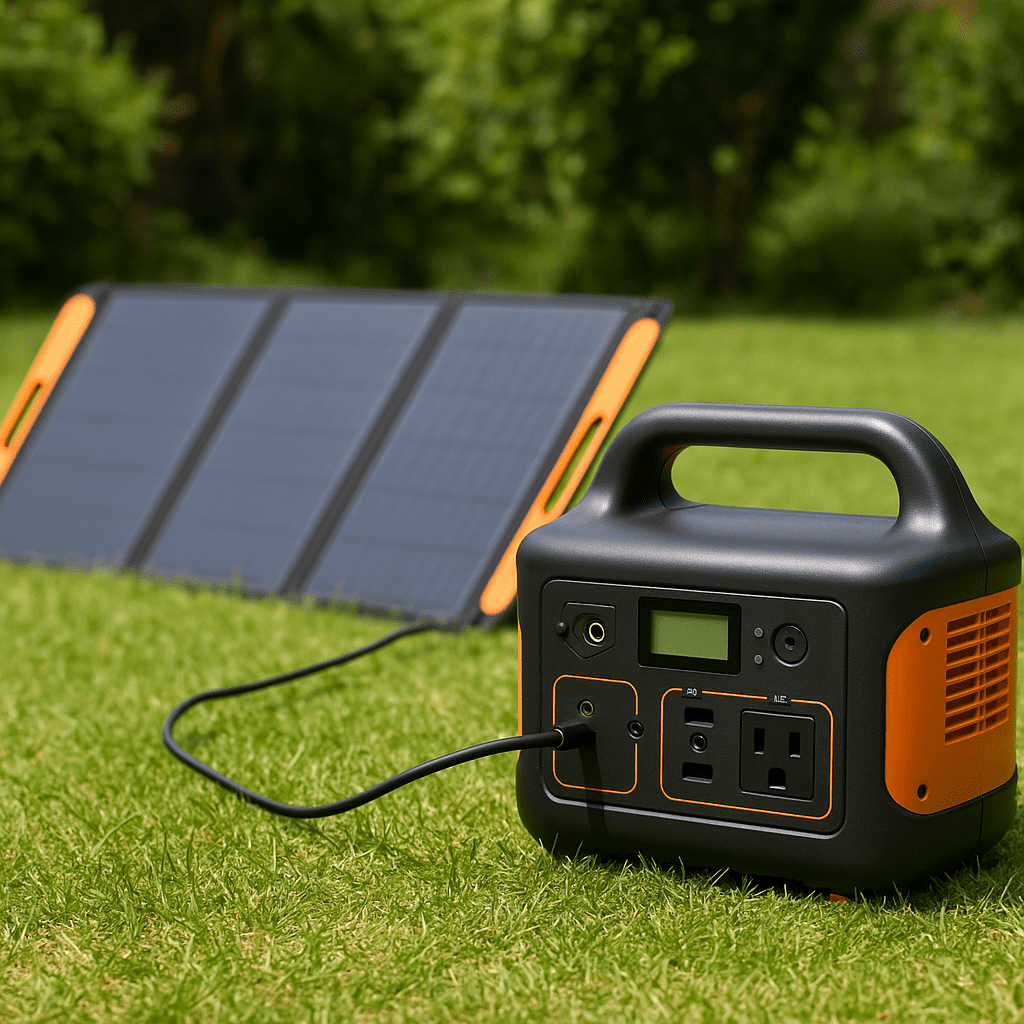
Solar generators (portable power stations + optional solar panels) are becoming the preferred option for UK home and garden users. They work using stored electricity in a lithium battery, which can be recharged by:
- Solar panels
- Mains electricity
- A vehicle
- Small off-grid systems like wind micro-turbines
Why Solar Fits HomeGrower’s Sustainable Approach
- Zero emissions
- Silent operation — ideal for gardens
- Long-term cost far lower than fuel generators
- Safe for indoor spaces including grow tents, sheds, greenhouses, and workshops
- Great for self-sufficiency and emergency planning
- Scales easily — add more panels or batteries over time
Solar Generator Pros
- Free power once purchased
- Very low maintenance
- Lightweight and portable
- Great for powering: fans, lighting, irrigation pumps, electronics, routers, small heaters
- Safe for indoor spaces
Solar Generator Cons
- Limited peak power vs diesel
- Not ideal for continuous heavy machinery
- Off-grid charging depends on sunlight
- Larger models cost more upfront
Solar generators are especially useful for powering low-wattage equipment such as grow lights, ventilation fans and irrigation timers.
For deeper guidance, see:
🔗 Best Solar Generators UK
🔗 Best Jackery Solar Generators
🔗 Best EcoFlow Power Stations
2. Diesel Generators: High Power, High Drawbacks
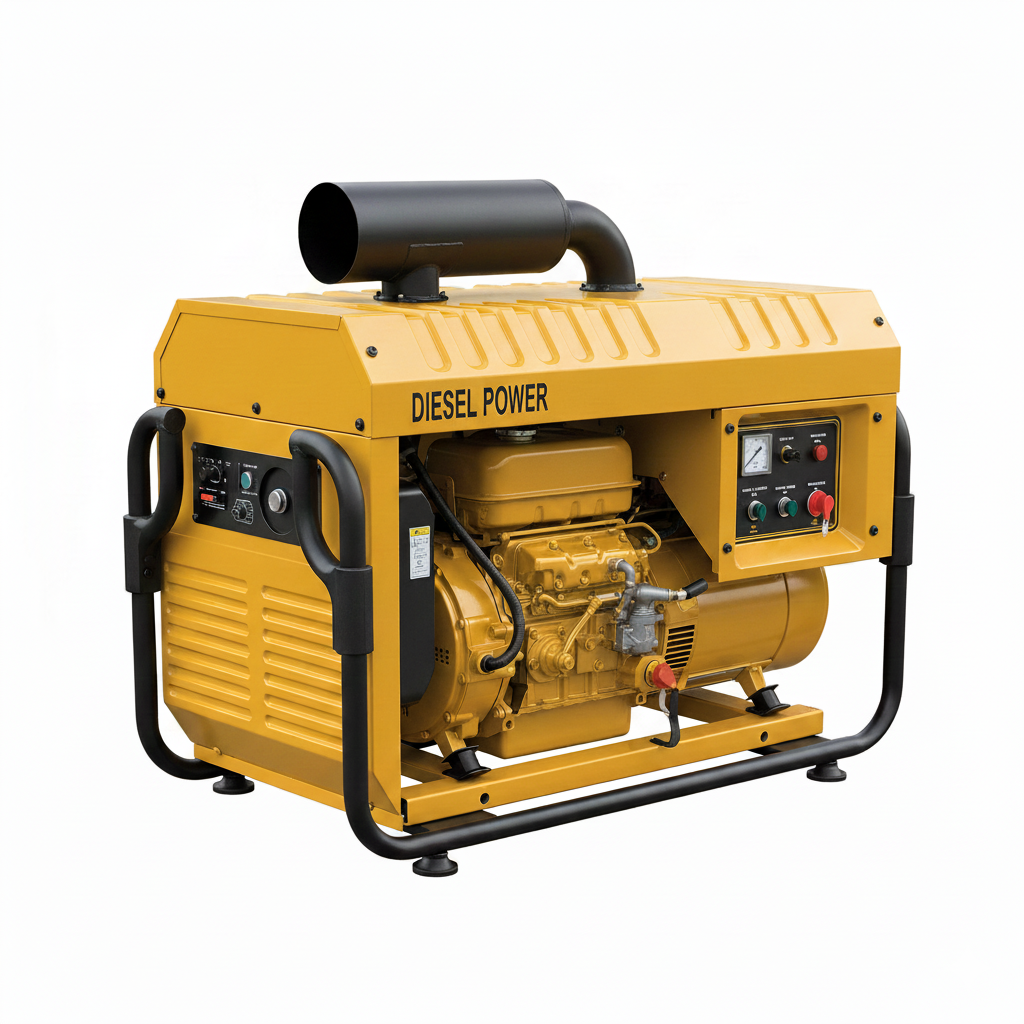
Diesel generators are built for reliability and long runtimes, which is why they’re common on farms, construction sites, and industrial environments.
Diesel Pros
- Excellent fuel efficiency under heavy load
- Extremely reliable for continuous power
- Better lifespan than petrol units
- Can handle welders, compressors, and heavy tools
Diesel Cons
- Very loud
- Heavy and usually static
- Emits fumes — cannot be used indoors or near enclosed garden spaces
- High maintenance — oil changes, filters, servicing
- Not eco-friendly
When Diesel Makes Sense
Only when you require long-duration continuous heavy power and noise/emissions are acceptable.
For most domestic and gardening uses, diesel is unnecessarily powerful and inconvenient.
3. Petrol Generators: Cheap but Less Efficient
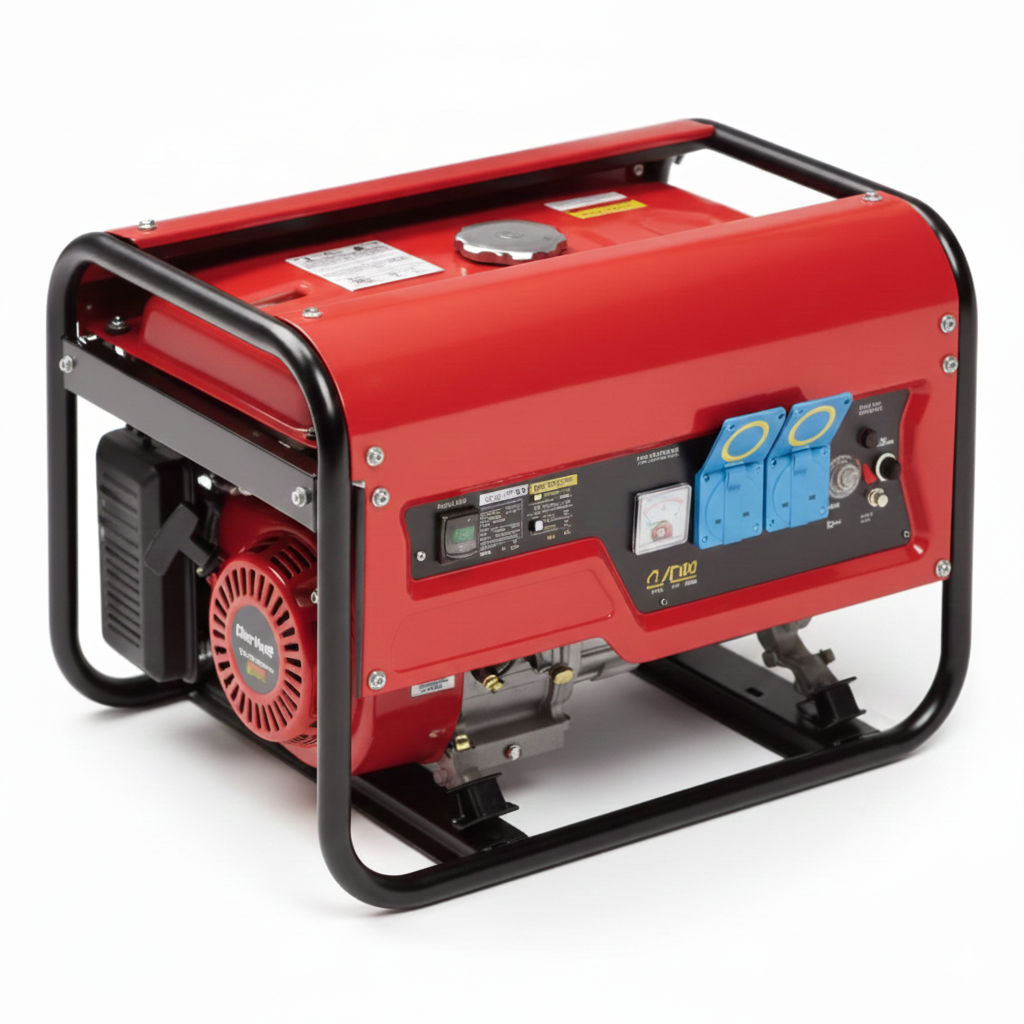
Petrol generators are the traditional choice for homeowners needing a basic backup power source.
Petrol Pros
- Low purchase price
- Lighter and more portable than diesel
- Good for short-term outdoor use
- Easy to source fuel
Petrol Cons
- High running cost
- Loud
- Emits fumes — unsafe indoors
- Requires regular maintenance
- Not ideal for long runtimes or sustainability-focused homes
When Petrol Makes Sense
- Occasional DIY use
- A budget option for short power cuts
- Outdoor-only tasks on allotments or remote sheds
Better suited to occasional power, not long-term off-grid or self-sufficient setups.
Some petrol generators also run on LPG (dual-fuel models), offering cleaner emissions but still producing noise and requiring fuel storage. They sit between petrol and diesel in terms of cost and convenience, but solar remains the safest and lowest-maintenance option for most home users.
4. Running Cost Comparison
One of the biggest differences between generator types is how much they cost to run.
4-Hour Example Costs
| Device | Solar | Diesel | Petrol |
|---|---|---|---|
| Fridge | Free | ~£1.20 | ~£1.60 |
| Wi-Fi Router + Electronics | Free | £0.30–£0.50 | £0.50–£0.70 |
| Power Tools | Free (battery limits apply) | £1.50–£3 | £2–£4 |
| Small Heater | Not ideal | £4–£8 | £6–£10 |
Solar gives by far the lowest lifetime cost because sunlight is free.
Fuel costs become meaningful very quickly if you use a generator regularly.
For a deeper breakdown of typical wattage use, see our upcoming guide How Many Watts Do You Need?
5. Noise & Environmental Impact
Noise Levels
- Solar: 0–30 dB — almost silent
- Petrol: 60–90 dB — like a lawnmower
- Diesel: 70–100 dB — industrial loud
According to the Health and Safety Executive for Northern Ireland (HSENI), fuel generators must never be used indoors or in partially enclosed spaces due to the risk of carbon monoxide poisoning.
Solar is the only safe option for use around sheds or enclosed structures.
Environmental & Safety Considerations
Solar
- Zero emissions
- No fuel storage risks
- No carbon monoxide
- No spillage risk
- Safe around plants, soil, and in enclosed spaces
Diesel & Petrol
- Produce fumes harmful to plants and humans
- Fuel generators can be unsafe in enclosed spaces like greenhouses and must never be used indoors.
- Risk of CO poisoning
- Require safe fuel storage
- Significantly higher carbon footprint
If your project involves gardening, food production, greenhouses, indoor growing, or sustainable living, solar is the natural choice.
6. What Is the Best Type of Backup Generator for Home Use?
Choose Solar If You Want:
- Reliable home emergency power
- Quiet, clean energy
- Something safe for indoor or enclosed use
- A solution aligned with sustainable living
- Low running costs
- Compatibility with greenhouses, sheds, cabins and garden offices
Choose Diesel If You Need:
- Heavy continuous power
- Running tools for long periods
- Farm or industrial-level loads
Choose Petrol If You Want:
- A low-cost backup
- Good short-term power outdoors
- Occasional DIY support
7. Why HomeGrower Focuses on Solar
Solar power fits perfectly with:
- Self-sufficiency
- Small-scale home growing
- Garden projects
- Off-grid sheds and greenhouses
- Sustainable UK living trends
Fuel generators still have their place, but solar is increasingly the preferred option for everyday homeowners — and the only option suitable for use near plants, soil, food production spaces, and enclosed garden structures.
8. Final Thoughts: What Is the Best Type of Backup Generator for Home Use?
Choosing the best type of backup generator depends on what matters most to you — whether that’s low running costs, clean operation, long runtimes or heavy-duty power output. For most homeowners and small-scale growers, solar generators offer the safest, quietest and most sustainable option, especially for indoor or enclosed spaces such as sheds, greenhouses and garden offices.
Petrol and diesel generators still have their place for high-demand tools or long continuous use, but they come with trade-offs in noise, fumes and maintenance. As UK households shift toward greener, more resilient living, solar increasingly becomes the practical choice for everyday backup power.
FAQs: Choosing the Best Type of Backup Generator for Home Use
What is the best type of backup generator for most UK homes?
For most households, a solar generator is the best type of backup generator because it is safe to use indoors, produces no fumes, and has near-zero running costs. Diesel and petrol generators are still useful for heavy tools or long continuous runtimes, but they are noisier, require fuel storage and cannot be used in enclosed spaces.
Is a diesel or petrol generator better for home backup power?
Neither diesel nor petrol generators are usually the best type of backup generator for residential use because both produce exhaust fumes and carbon monoxide. Diesel units offer better efficiency and long runtimes, while petrol units are cheaper upfront, but both must be used outdoors only. For indoor or greenhouse use, solar is the safer option.
Can a solar generator power essential appliances during a power cut?
Yes — modern solar generators can run key appliances such as Wi-Fi routers, phones, laptops, lighting, fridges and small heaters. They are often the best type of backup generator for powering low-to-medium wattage devices safely inside the home without fumes or noise.
Is a petrol generator safe to use in a shed, garage or greenhouse?
No. Petrol and diesel generators must never be used indoors, in sheds or in partially enclosed spaces. HSENI guidance warns that carbon monoxide can build up quickly even with ventilation. For enclosed garden structures, a solar generator is the only practical and safe backup power option.
What size generator do I need for home emergency use?
Most homes only need 300–1000W to keep essential devices running. Heavier loads like space heaters, kettles or power tools require larger units. A solar generator with expandable battery capacity is often the best type of backup generator for flexible home use.
Are LPG or dual-fuel generators a good alternative?
LPG (dual-fuel) generators burn cleaner than petrol and can be cheaper to run, but they still produce fumes and are unsuitable for indoor use. They sit somewhere between petrol and diesel for efficiency and cost, but a solar generator remains the best type of backup generator for everyday home safety and convenience.