
Growing your own food in the UK can feel like a constant battle with the weather. We’ve all had those years where a late June frost catches the tomatoes, or a wet August turns promising cucumbers into a soggy mess overnight.
A greenhouse or polytunnel isn’t just another garden purchase — it’s your way of taking control back from the British climate.
Used properly, covered growing lets you:
- Start earlier and keep growing later
- Protect crops from wind, frost, and relentless rain
- Grow a wider range of plants, even in small gardens
- Get more reliable harvests year after year
This guide is an introduction into everything you need to understand about greenhouses and polytunnels, how they differ, and how to choose the right option for your space, budget, and growing goals. Think of it as a practical map — with clear signposts to more detailed guides whenever you want to go deeper.
A Quick Grower’s Insight Before You Start
The golden rule of sizing:
Almost every grower I know eventually says the same thing — “I wish I’d bought one size bigger.”
If you have the space and the budget, going one size up usually pays off. Greenhouses and polytunnels fill faster than you expect, especially once you start seedlings, overwintering plants, and experimenting with new crops.
Start Here: Choosing the Right Size Greenhouse
If you’re not sure what size greenhouse you need, this is the best place to start.
Choosing the right size is one of the biggest decisions you’ll make — and the one most growers get wrong at first. It affects what you can grow, how easy the space is to use, and how quickly you outgrow it.
Our practical guide to what size greenhouse you need breaks this down clearly, including the real differences between mini, 6×4, 8×6 and larger setups, and how to choose based on your space, budget, and growing plans.
Greenhouse or Polytunnel: Which Is Right for You?
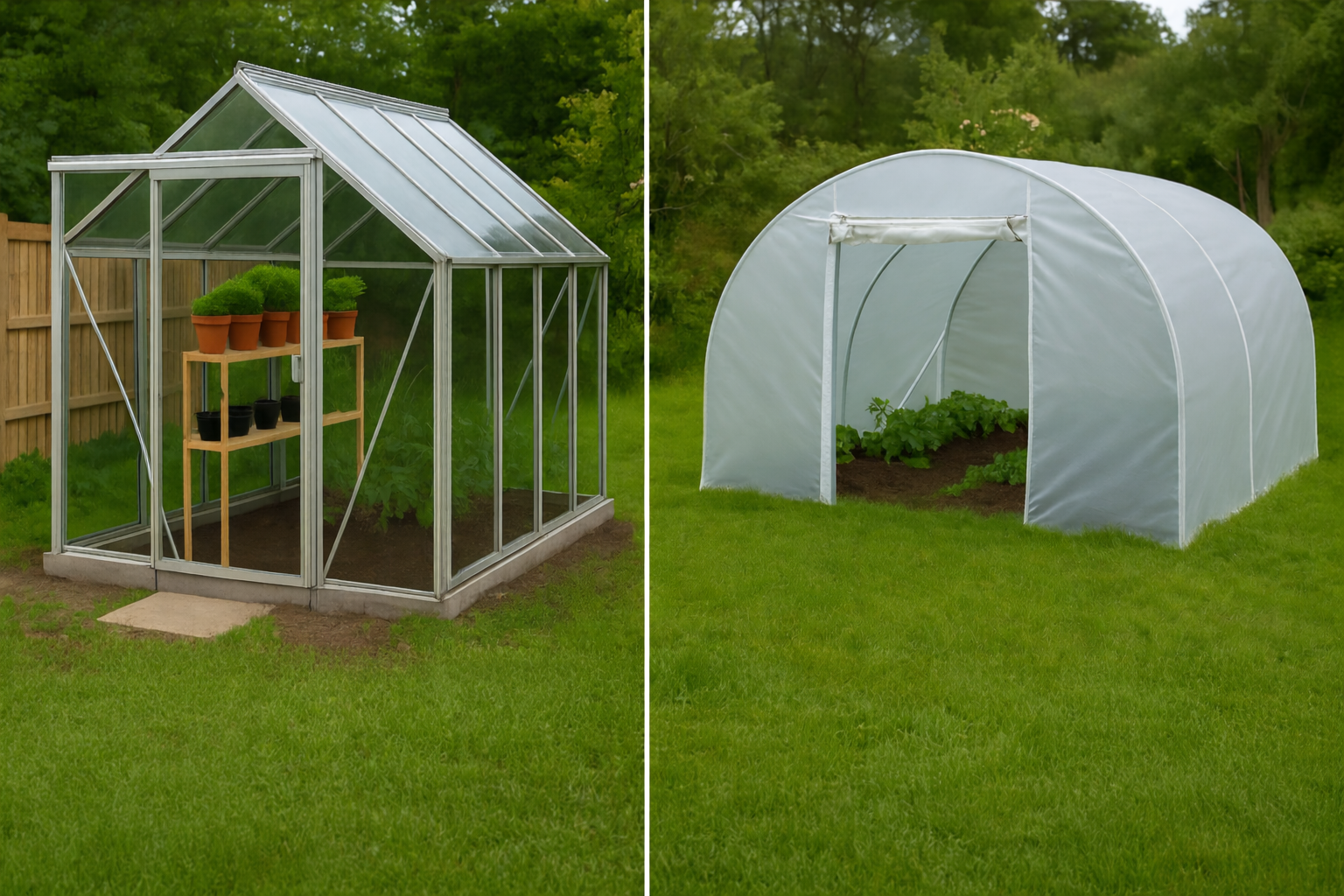
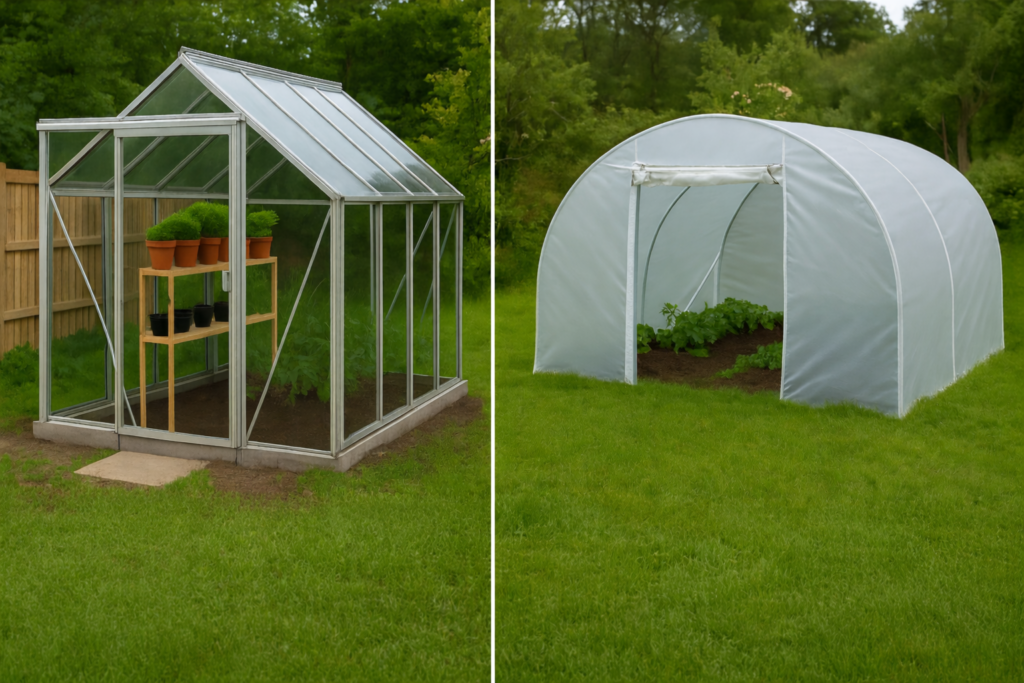
Both greenhouses and polytunnels create a protected growing environment, but they suit slightly different situations.
A greenhouse is often the better choice if you:
- Have a small or medium-sized garden
- Want a tidy, permanent structure
- Grow a mix of seedlings, salads, herbs, and vegetables
- Value ventilation and temperature control
A polytunnel usually makes more sense if you:
- Have more space available
- Want maximum growing area for the money
- Grow larger crops or higher volumes
- Care more about productivity than appearance
If you’re weighing up the two, our detailed comparison of greenhouse vs polytunnel breaks down the pros, cons, and real-world UK use cases in more depth.
When to Start Growing (Timing Matters)
Success under cover isn’t just about the structure — it’s about timing.
Sowing too early wastes space and heat. Starting too late means missing the biggest benefits of protected growing. To make this easier, we’ve put together a clear month-by-month greenhouse growing calendar, showing what to sow, plant, and harvest throughout the year. You can also download it to keep on your phone or tablet for quick reference.
Types of Greenhouses Explained
Not all greenhouses are the same. Size, shape, and placement all affect how useful they are in a real UK garden.
Where you position a greenhouse — and how it’s oriented — can make a bigger difference than many guides suggest. Our greenhouse orientation and positioning guide explains what actually matters in real UK gardens.
Below are the most common types, with links to in-depth guides to help you choose confidently.
Mini Greenhouses
Mini greenhouses are ideal if you’re short on space or just getting started. They work particularly well on patios, balconies, and in small gardens, where they’re often used for seed starting, early growth, and compact crops like salads and herbs.
If that sounds like your setup, our hands-on guide to the best mini greenhouses in the UK compares the most practical options and explains what to look for.
If you already have one, our guide on how to set up a mini greenhouse shows you how to assemble it properly, secure the cover, and use it effectively in UK conditions.
Small Garden Greenhouses
A small greenhouse offers far more flexibility while still fitting comfortably into most gardens. They’re a popular choice for growers who want to raise seedlings, grow summer crops under cover, and extend the season at both ends without committing to a large structure.
For many UK gardens, the most common choice in this category is an 8×6 greenhouse — large enough to grow properly, but still manageable in a typical plot.
If you’re considering that size specifically, our guide to the best 8×6 greenhouses in the UK looks at which models actually feel usable day to day, and which ones tend to disappoint once they’re full.
For a broader comparison across this category, our guide to the best small greenhouses in the UK covers other popular sizes and layouts, and explains what works best in typical gardens.
Lean-To Greenhouses
Lean-to greenhouses attach directly to a wall, fence, or shed, making them a smart solution where space is limited. Positioned well, they can benefit from extra warmth and shelter, which is especially useful in colder or more exposed areas.
If you’re considering this style, our guide to the best lean-to greenhouses in the UK explains when they make sense — and when they don’t.
How to Use a Greenhouse Effectively
Owning a greenhouse doesn’t automatically guarantee better results. How you use it day to day matters just as much as the structure itself.
Successful greenhouse growing comes down to a few core principles, including:
- Managing temperature swings
- Planning what to grow through the seasons
- Using ventilation and airflow to prevent overheating and disease
- Avoiding common summer problems like heat stress
This section introduces the fundamentals. Each of these topics is explored in more detail throughout this guide and in the linked resources below.
If you’re new to covered growing, our practical guide on how to use a greenhouse (or polytunnel) walks through the basics step by step, without overcomplicating things.
Greenhouse Ventilation and Airflow
Ventilation is one of the most overlooked parts of greenhouse growing, yet it plays a huge role in temperature control, plant health, and disease prevention.
Without enough airflow, greenhouses can quickly overheat, encourage pests, and create ideal conditions for mould and fungal problems. With the right setup, ventilation helps regulate temperature, reduce humidity, and keep plants growing steadily throughout the season.
This topic deserves more detail, so we cover it fully in our dedicated guide to greenhouse ventilation, including roof vents, doors, automatic openers, and simple airflow strategies for UK conditions.
Good ventilation is widely recognised as essential for healthy greenhouse growing, particularly in preventing overheating and fungal disease, as highlighted by guidance from the Royal Horticultural Society.
Heating a Greenhouse in the UK
Heating is one of the most common questions gardeners ask — and one of the easiest ways to waste money if done poorly.
In many cases, good insulation, thermal mass, and timing are enough. In others, gentle heating can make a big difference to early spring or winter growing.
We explore this in more detail in our guide to greenhouse insulation, which compares what different insulation methods actually do, what they cost, and when they make sense in real UK conditions.
Our guide on how to heat a greenhouse explains when heating is worth it, which low-energy options actually work, and what makes sense for UK conditions.
If you’re planting early or relying on insulation rather than constant heat, our guide on protecting plants from late frosts in a greenhouse explains how to prevent cold damage during clear nights and sudden spring cold snaps.
Polytunnels Explained
Polytunnels offer one big advantage: space.
They’re widely used by allotment growers, smallholders, and anyone producing food at scale. Compared to greenhouses, polytunnels usually cost less per square metre, go up quickly, and allow more flexible layouts.
They’re not as decorative, but for pure productivity they’re hard to beat. If you’re considering one, our guide to the best polytunnels in the UK compares sizes, materials, and real-world durability.
Choosing the Right Option for Your Garden
There’s no single “best” greenhouse or polytunnel — only the one that fits:
- Your available space
- Your local conditions
- How much time you can realistically commit
- What you actually want to grow
If you’re unsure where to start, begin by deciding whether a greenhouse or polytunnel suits you better, then narrow things down by size and placement. The guides linked throughout this page are designed to help you make those decisions without guesswork.
Grow More. Depend Less.
Greenhouses and polytunnels aren’t about perfection — they’re about reliability.
Even a modest structure can improve harvests, reduce losses, and make growing food more enjoyable. Used well, they’re one of the most effective tools for becoming more self-sufficient at home.
Take your time, explore the guides above, and build a setup that works for your space — not an idealised one.