When you purchase through links on our site, we may earn an affiliate commission at no extra cost to you.
🏆 Our Top Picks
Here are the best compost bins for UK gardens, based on ease of use, durability, and real-world performance.
Composting is one of the easiest ways to improve your soil, reduce waste, and get better results from your garden — but choosing the right bin makes a big difference.
If you’re searching for the best compost bins for UK gardens, it can quickly become confusing. There are dozens of options, from simple plastic bins to rotating tumblers, and most guides overcomplicate what is actually a very straightforward choice.
After looking at what UK gardeners actually buy and use in real gardens, most people end up choosing between two main options:
- A standard compost bin (cheap, simple, reliable)
- A tumbling composter (easier to turn, potentially faster)
If you’re just starting out, a simple 300L–330L compost bin is usually the best place to begin.
In this guide, I’ll walk you through the best options — and help you choose the right one for your garden without overcomplicating it.
If you’re new to growing at home, it’s also worth understanding how composting fits into the bigger picture — our HomeGrower Guide to Outdoor Growing covers everything from soil to seasonal planning.
🥇 #1 Pick — Best Compost Bin for Most UK Gardens

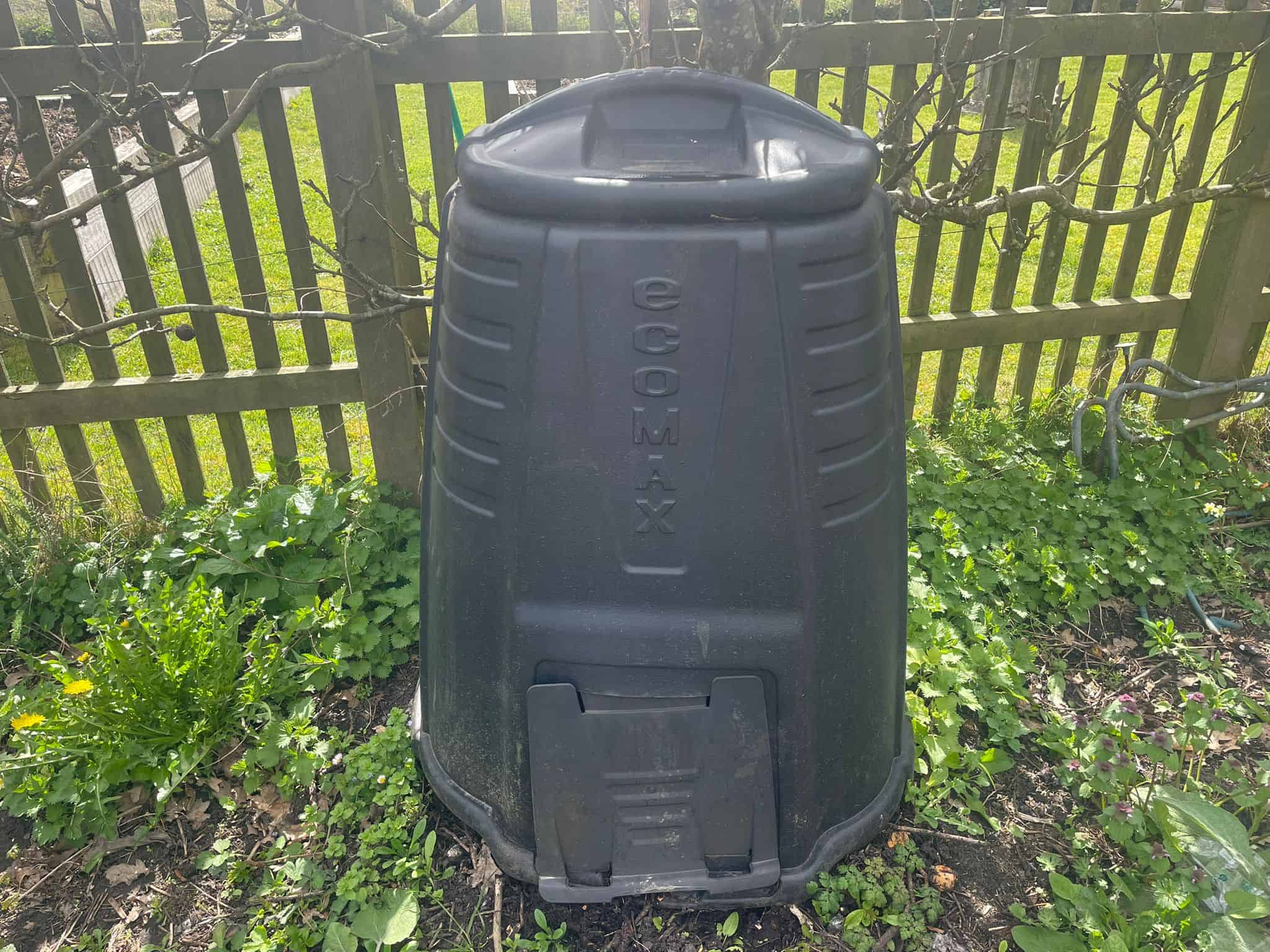
For most UK gardeners, a simple plastic compost bin like this (often called a “dalek-style” bin) is the best place to start.
It’s affordable, holds a good amount of garden waste, and doesn’t require much effort to get going. Once it’s set up, you can just keep adding material and let nature do the work.
If you’re not sure how to get started, our guide on how to compost at home walks you through the basics step by step.
Why this is the best choice:
- Ideal size for typical UK gardens
- Proven design that just works
- Low cost compared to other options
- Minimal effort to maintain
🧠 HomeGrower Insight
In the UK, these bins work best when placed directly on soil — not patios or slabs.
This allows worms to enter and helps with drainage. On hard surfaces, compost can become wet and airless quite quickly.
If you only have a patio or paved garden, a tumbler is usually the better option.
You’ll often see 300L and 330L versions of these bins — in practice, the difference is minimal, so it’s usually best to choose based on price and availability.
Best for: Everyday garden composting without fuss
🌿 Best for Larger Gardens

If you generate a lot of garden waste — grass cuttings, hedge trimmings, or larger beds — a bigger bin makes life easier.
This VonHaus model follows the same principle as the standard bin but gives you significantly more space to work with.
Why choose this:
- Larger capacity = fewer overflow issues
- Better for active gardens
- Same simple, low-maintenance approach
⚠️ Watch out for grass clippings
Fresh grass can quickly compact into a dense, wet layer that blocks airflow.
Mixing in dry material like cardboard or leaves helps keep the compost healthy and avoids that soggy, smelly pile.
As a rough guide, aim for about two parts “browns” (dry material like cardboard or leaves) to one part “greens” (fresh waste like grass clippings). This helps keep the compost aerated and avoids that wet, compacted layer.
Best for: Bigger gardens or heavier pruning seasons
🔄 Best for Easy Turning

Tumbling composters are designed to make composting easier.
Instead of turning material by hand, you simply rotate the drum. This improves airflow and can speed up the composting process.
Why people choose this:
- Much easier to turn
- Cleaner and more contained
- Good for smaller gardens
🌤️ Real-world note
Tumblers are often marketed as “fast”, but in a typical UK spring they can be slow to get going.
Because they’re raised off the ground, they don’t benefit from soil warmth — so you’ll usually see better results once the weather warms up.
Downsides to know:
- Smaller capacity
- Not ideal for large volumes of garden waste
Best for: Beginners or smaller gardens
♻️ Alternative Option — Worm Compost Bins
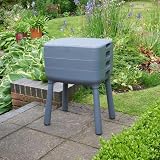

Worm bins (vermicomposting systems) use worms to break down food waste rather than relying purely on natural decomposition.
They’re great for kitchen scraps and can even be used indoors, but they’re not designed for general garden waste like grass cuttings or woody material.
They also require a bit more attention — you’re effectively looking after a living system rather than just a bin.
👉 Think of this as a specialist option rather than a main composting system.
🧱 What Size Compost Bin Do You Need?
Choosing the right size is one of the most important decisions — and it’s where many people get it wrong.
- 300L–330L:
Ideal for most UK gardens. Handles kitchen waste, light pruning, and occasional grass cuttings. - 400L–500L+:
Better for larger gardens, frequent mowing, or heavy pruning. Gives you more room to balance greens and browns properly. - Under 200L (tumblers):
Best for small gardens or households producing less waste. Easier to manage, but fills up quickly.
👉 A common mistake is going too small — especially if you have a lawn. Grass cuttings alone can fill a bin faster than expected.
🔄 Can You Use More Than One Compost Bin?
Many experienced gardeners use more than one compost bin — and it often works better than relying on a single one.
A common approach is to have:
- One bin for fresh waste
- One bin maturing into usable compost
This makes it easier to manage the composting process and ensures you always have material ready to use.
👉 If you have the space, starting with one bin is fine — but adding a second later can make a noticeable difference.
🌿 Are Compost Bins the Only Option?
Compost bins are the most common choice, but they’re not the only way to compost.
Some gardeners prefer:
- Simple compost heaps (just a pile in a corner of the garden)
- Wooden or pallet bins for larger setups
- Open systems on allotments
These approaches can work well, especially if you have more space, but they tend to be less tidy and harder to manage in smaller gardens.
👉 For most UK homes, a contained compost bin is the easiest and most practical option.
Final Thoughts
For most UK gardens, composting doesn’t need to be complicated.
A simple plastic compost bin will handle the vast majority of garden waste with minimal effort, and it’s where most people should start.
From there, you can always upgrade — but getting started is what makes the real difference.
If you want more detailed guidance on what to compost and how to manage it properly, the RHS has a useful overview worth reading.
📎 Related Articles
❓ Frequently Asked Questions
How long does compost take in a compost bin?
In most UK conditions, compost takes between 3 and 9 months depending on the materials used and how often it’s turned. Tumblers can be faster in warmer weather, while standard bins tend to take longer but require less effort.
Do compost bins smell?
A well-managed compost bin shouldn’t smell. Strong odours are usually caused by too much wet material and not enough airflow. Adding dry “brown” materials like cardboard or leaves helps keep things balanced.
Can I use a compost bin on a patio?
Standard compost bins work best when placed on soil so worms and drainage can function properly. If you only have a patio or hard surface, a tumbling composter is usually a better option.
What should not go in a compost bin?
Avoid adding cooked food, meat, dairy, and oily materials, as these can attract pests and cause smells. Stick to garden waste and uncooked kitchen scraps for best results.