
March is when the gardening year properly begins again in the UK.
After months of cold soil and short days, the increasing daylight finally gives many plants enough energy to start growing. Seed trays start appearing on windowsills, greenhouses begin to fill with young plants, and hardy vegetables can finally be sown outdoors.
Exactly what you can plant in March depends on several factors:
- where you live in the UK
- whether you have a greenhouse or cold frame
- whether you are sowing indoors or directly outside
In this guide, we’ll look at what to plant in March in the UK, along with practical tips to help seedlings get off to a strong start.
If you’re looking for a broader overview of growing vegetables outside throughout the year, see the HomeGrower Guide to Outdoor Growing, which explains how the full growing season fits together.
🌱 What to Plant in March: Quick Guide
If you want a quick overview, these are some of the most common crops gardeners start in March.
Start Indoors (warm conditions)
- Tomatoes
- Chillies
- Peppers
- Aubergines
Start Indoors (cool conditions)
- Lettuce
- Cabbage
- Cauliflower
- Sweet peas
Sow Outdoors
- Broad beans
- Early peas
- Spinach
- Radish
- Onion sets
📊 Where to Start Seeds in March: Indoors, Greenhouse, or Outdoors
This is only a rough guide though — the UK climate varies significantly depending on where you live.
The table below summarises what to plant in March in the UK, depending on whether you are starting seeds indoors, using a greenhouse, or sowing directly outdoors.
| Crop | Start Indoors | Greenhouse | Sow Outdoors |
|---|---|---|---|
| Tomatoes | ✔ | ✔ | ❌ |
| Lettuce | ✔ | ✔ | ✔ |
| Peas | ✔ | ✔ | ✔ |
| Carrots | ❌ | ✔ | ✔ |
| Radish | ❌ | ✔ | ✔ |
| Sweet Peas | ✔ | ✔ | ✔ |
| Spinach | ❌ | ✔ | ✔ |
Tomatoes
Start Indoors: ✔
Greenhouse: ✔
Sow Outdoors: ❌
Lettuce
Start Indoors: ✔
Greenhouse: ✔
Sow Outdoors: ✔
Peas
Start Indoors: ✔
Greenhouse: ✔
Sow Outdoors: ✔
Carrots
Start Indoors: ❌
Greenhouse: ✔
Sow Outdoors: ✔
Radish
Start Indoors: ❌
Greenhouse: ✔
Sow Outdoors: ✔
Sweet Peas
Start Indoors: ✔
Greenhouse: ✔
Sow Outdoors: ✔
Spinach
Start Indoors: ❌
Greenhouse: ✔
Sow Outdoors: ✔
🌍 North vs South: Timing Matters
Planting dates in the UK can vary more than many beginners realise.
In the south of England, particularly areas like Cornwall, Devon, or Kent, soil temperatures can sometimes reach around 8°C by March, which is warm enough for early sowings such as carrots or peas.
Further north — especially in Scotland, Northern England, or higher ground — the soil may still be very cold, and some gardens can even see late snow.
Because of this, experienced gardeners often rely on simple natural indicators rather than strict calendar dates.
A common rule of thumb is:
If the weeds aren’t growing yet, your seeds probably won’t either.
Watching what’s happening in your own garden often gives the best clues about when to start planting.
For more detailed seasonal advice, the Royal Horticultural Society also publishes a useful monthly gardening guide.
🥕 Vegetables to Start Indoors in March
Many crops benefit from being started indoors during March.
This protects them from cold soil and late frosts while allowing seedlings to establish in a more stable environment.
Good vegetables to start indoors include:
- Lettuce
- Tomatoes
- Peppers
- Chillies
- Cabbage
- Cauliflower
- Kale
- Basil
Most of these are best started in seed trays or small modules, then transplanted into larger pots or beds later in spring.
Even a small greenhouse or a bright windowsill can be enough to get plants started.
If you’re using a greenhouse, it can help to follow a seasonal planting schedule.
See the Greenhouse Planting Calendar for a month-by-month guide to what can be started under cover.
🌿 Vegetables You Can Sow Outdoors in March
If the soil is workable and not waterlogged, several hardy crops can be sown directly outside during March.
Typical outdoor sowings include:
- Carrots
- Beetroot
- Spinach
- Radish
- Spring onions
- Broad beans
- Peas
Germination may still be slow in cold soil, especially early in the month.
Many gardeners protect early rows using fleece or cloches, which slightly warm the soil and protect seedlings from cold winds.
🌧 A Warning About Wet Spring Soil
After a wet winter, garden soil can still be heavy and saturated in March.
If the soil feels sticky or plastic-like, it’s usually best to stay off it for a while.
Walking on wet soil compresses the air spaces that roots need to grow properly.
If you need to plant early crops such as broad beans, using a staging board to spread your weight can help prevent soil compaction.
🌸 Flowers to Start in March
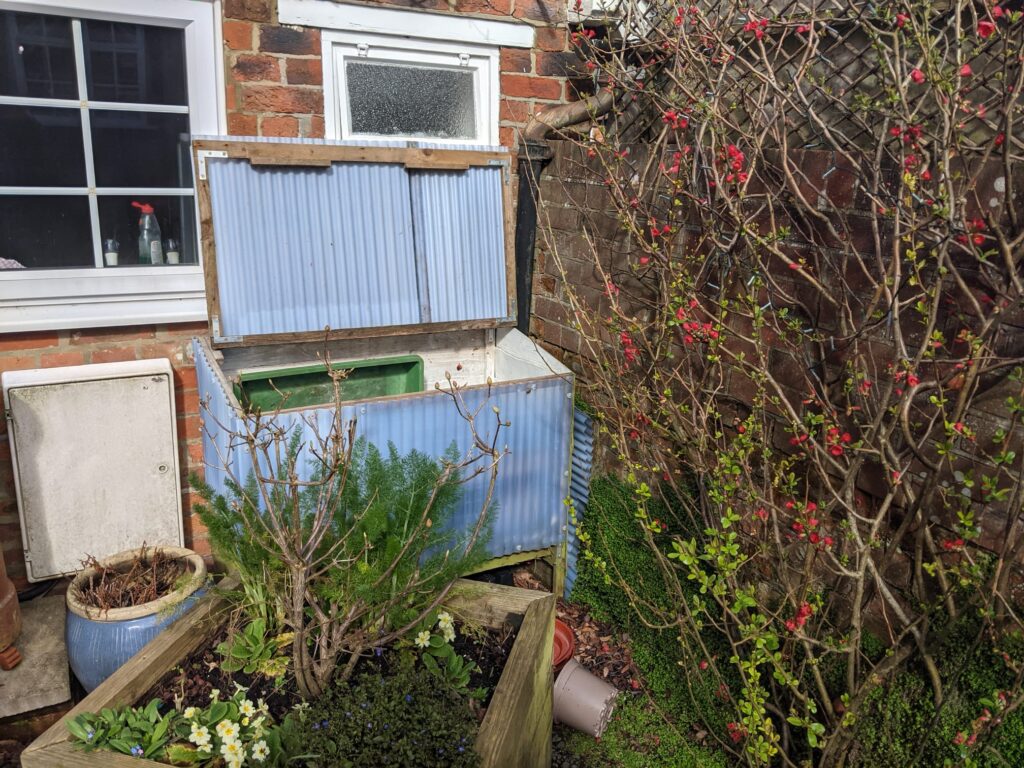
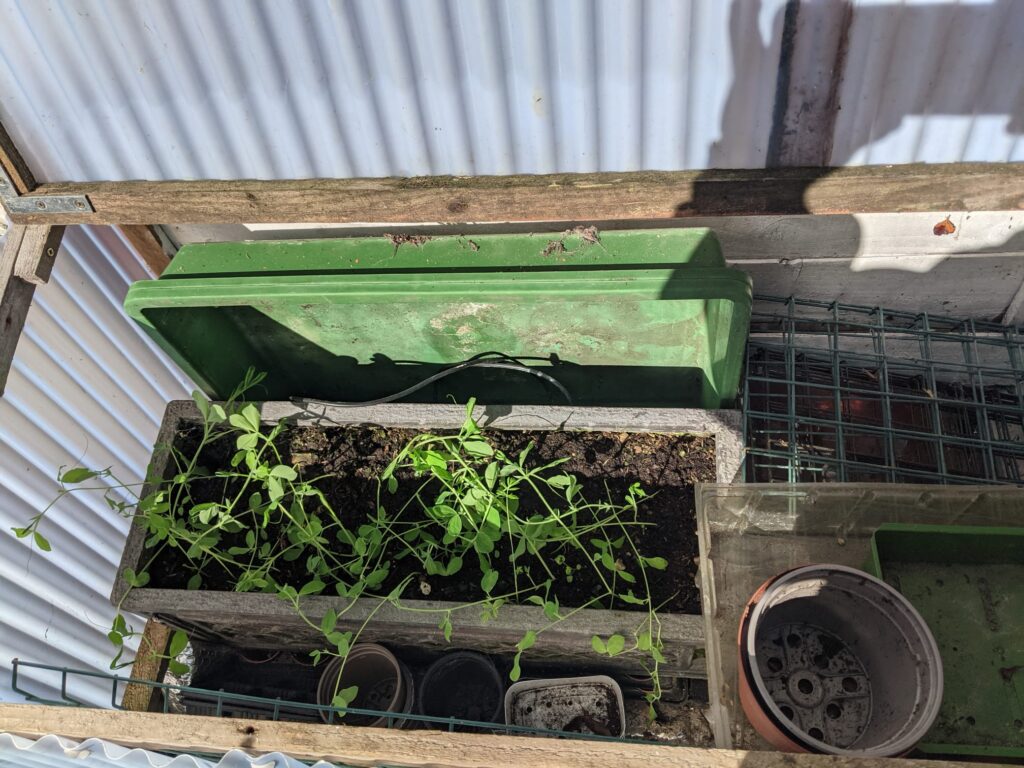
Sweet peas started earlier in the year growing inside a small homemade mini greenhouse.
March is also a good time to start many flowering plants.
One of the most popular early flowers gardeners grow each year is sweet peas. These are often sown during late winter or early spring and grown in small pots before being planted outside later in the season.
In our case, the sweet peas were started earlier in the year and are currently growing in a mini greenhouse, which helps protect the young plants from cold winds and frost while they establish.
Starting sweet peas under cover can give them a useful head start before planting them out once the weather warms in spring.
If you’re looking for a similar setup, our guide to the best mini greenhouses for UK gardens looks at several compact options that work well for starting early seedlings.
For an earlier and longer flowering season, sweet peas are often sown in autumn and overwintered in an unheated greenhouse. Once the plants begin to produce tendrils, many gardeners pinch out the growing tips to encourage branching and produce more flowers later in the season.
Other flowers that gardeners often start during March include:
- Cosmos
- Sunflowers
- Nasturtiums
- Marigolds
- Zinnias
Starting flowers early allows them to establish well before the main summer growing season.
💡 Starting Seedlings Earlier with Grow Lights
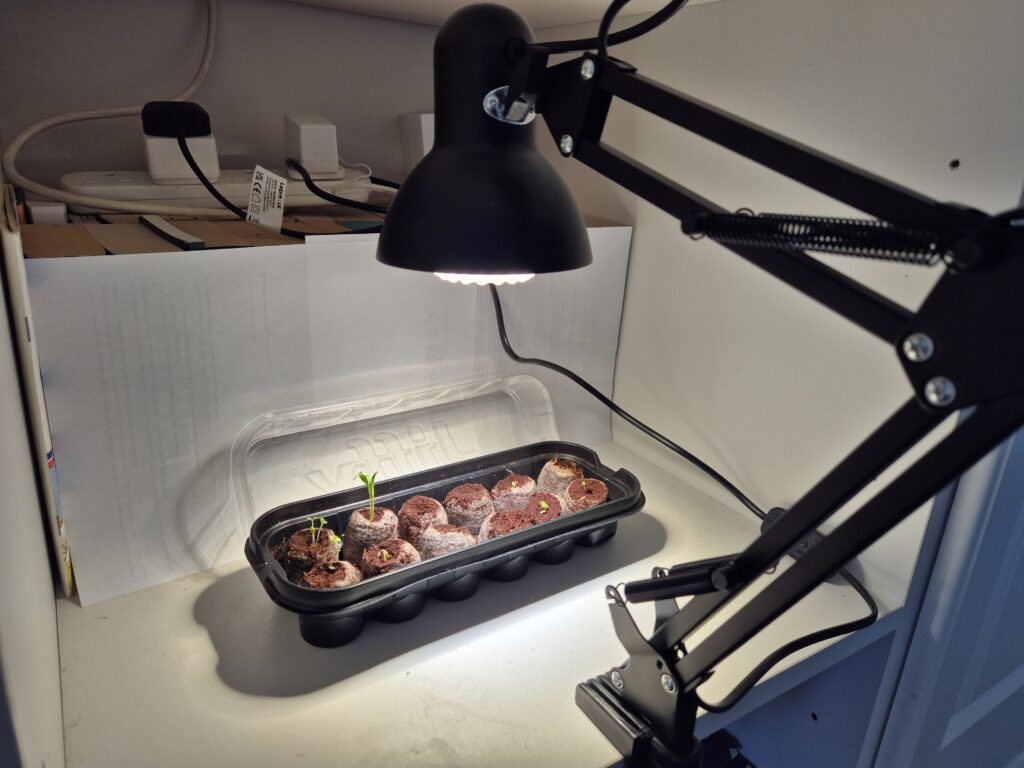
One challenge with gardening in March is that natural light levels in the UK are still relatively low.
Seedlings grown on windowsills often become long and thin (“leggy”) as they stretch towards the light.
The problem with a typical UK windowsill isn’t just the low light — it’s also the one-sided light. Seedlings lean towards the window and can bend noticeably in just a few days.
If you’re growing seedlings on a windowsill, a simple trick is to rotate your trays 180° each morning so plants grow more evenly.
Another option is to use a small LED grow light to supplement daylight.
Even a simple setup can work well:
- a small LED grow bulb
- a desk lamp or clamp light
- seed trays or small pots
- around 12–14 hours of light per day
The extra light helps seedlings develop shorter, stronger stems rather than stretching towards a window.
If you’re using a grow light, keep it fairly close to the seedlings — usually around 10–15 cm above the plants — and raise it gradually as they grow.
If you’re interested in this type of setup, see these guides:
- Using a Sansi Grow Light Bulb for Indoor Plants
- How to Grow Lettuce Indoors in the UK
These explain the lighting distances and simple setups that work well for small indoor growing projects.
🌱 Early Signs the Garden Is Waking Up
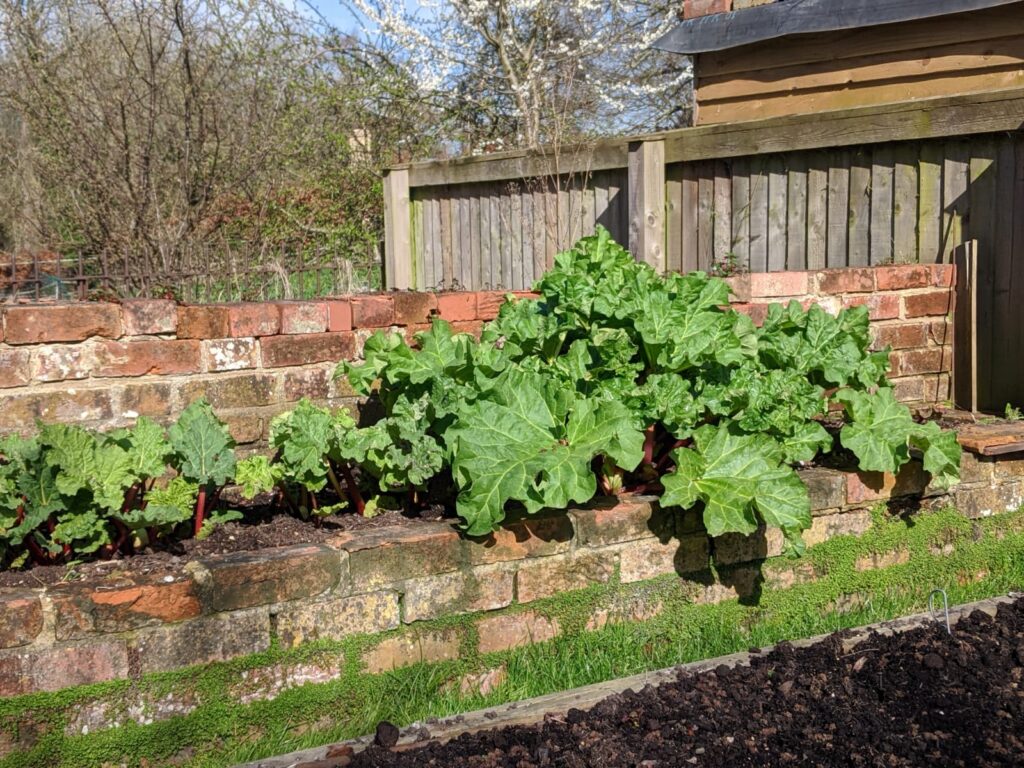
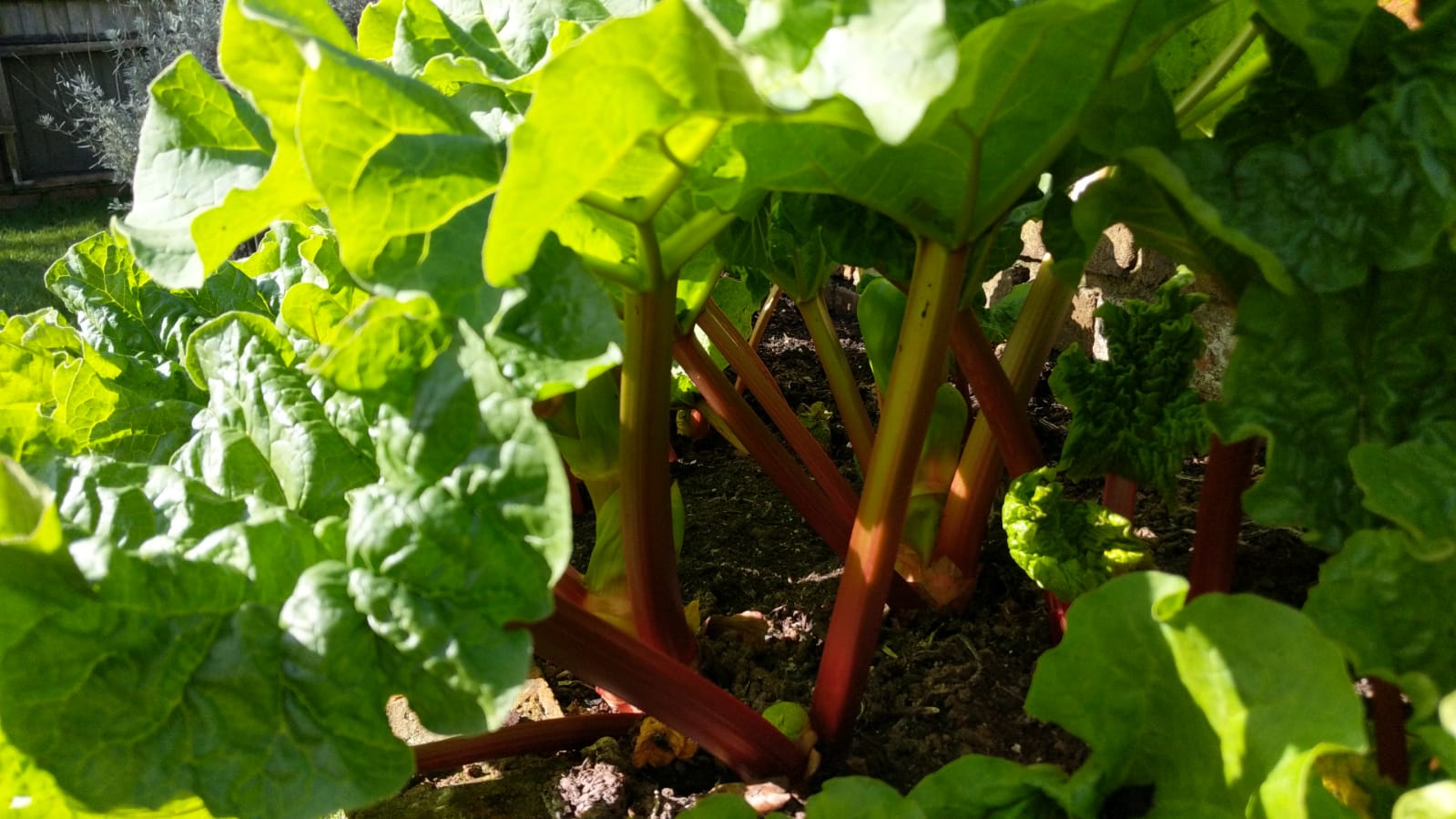
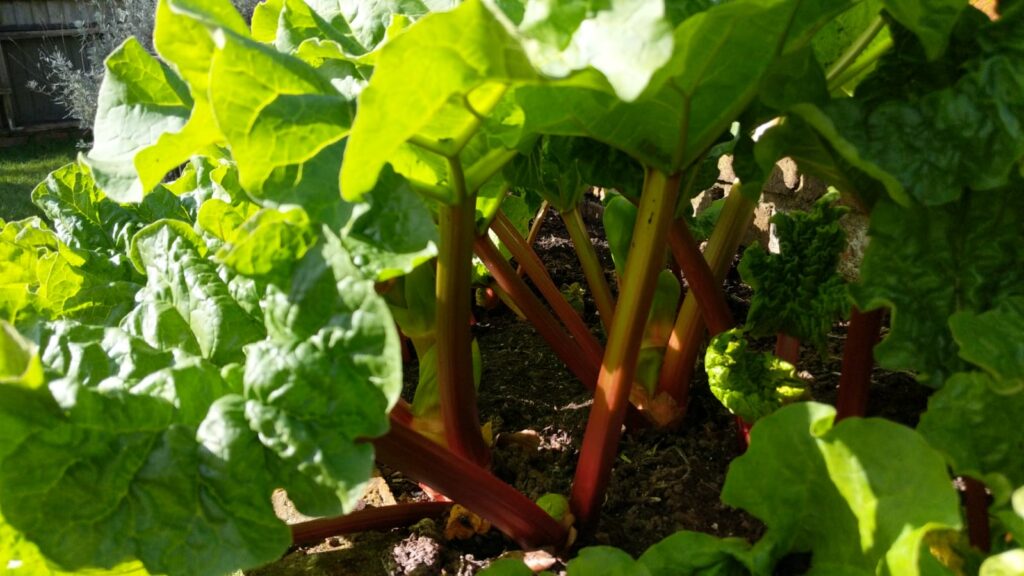
Rhubarb is often one of the first plants to burst back into growth as the UK garden wakes up in early spring.
Even before most planting begins, March often brings the first clear signs that the garden is waking up after winter.
One of the earliest crops to emerge each year is rhubarb.
Rhubarb is a perennial plant, which means it returns every year once established. The red shoots pushing up through the soil are often one of the first reliable signals that the growing season has begun again.
Even though rhubarb isn’t planted in March, seeing it appear is a reminder that warmer growing conditions are just around the corner.
🌿 A Note on Peat-Free Compost
Most compost sold in the UK is now peat-free, which behaves slightly differently from traditional peat-based mixes.
Peat-free compost can:
- dry out faster on warm windowsills
- stay wetter in cold greenhouses
Because of this, it’s worth checking seed trays daily using the simple finger test before watering.
Keeping compost lightly moist — but not waterlogged — gives seedlings the best chance of establishing successfully.
🌱 Final Thoughts
March marks the real beginning of the gardening season in the UK.
While the weather can still be unpredictable, it’s the perfect time to start early seeds, prepare beds, and enjoy the first signs of life returning to the garden.
Whether you’re sowing hardy vegetables outside, starting seedlings under grow lights, or simply watching the first rhubarb shoots emerge, March is when the growing season truly begins to gather momentum.
❓ Frequently Asked Questions
What vegetables can you plant in March?
If you’re wondering what to plant in March, several hardy vegetables are good choices. Gardeners often sow peas, spinach, radish, beetroot and carrots during this time of year. Many crops such as tomatoes, lettuce and cabbage can also be started indoors or in a greenhouse to give them a head start before being planted outside later in spring.
Is March too early to start seeds?
March is actually when many gardeners begin sowing seeds. While outdoor soil temperatures can still be low in some areas, seeds can often be started indoors, in a greenhouse, or under grow lights. This early start helps plants develop strong roots before they are moved outdoors.
What flowers can you plant in March?
When deciding what flowers to start in March, sweet peas are one of the most popular options. Many gardeners also start flowers such as cosmos, sunflowers, nasturtiums and marigolds at this time of year so they are ready to bloom later in summer.
What should you avoid planting in March?
Some warm-weather crops are usually better planted later in spring. Plants such as cucumbers, courgettes and beans can struggle if started too early because cold soil and late frosts may slow growth or damage young seedlings.
📎 Related Articles
- The HomeGrower Guide to Outdoor Growing
A complete guide to growing vegetables and plants outdoors in the UK, including seasonal planting advice and garden setup tips. - The HomeGrower Guide to Indoor Growing
Learn how to grow herbs, salad crops and vegetables indoors using simple setups, windowsills or grow lights. - The HomeGrower Guide to Greenhouses and Polytunnels
Discover how greenhouses and polytunnels can extend the growing season and protect young plants from cold weather. - The HomeGrower Guide to Grow Lights
A practical guide to understanding LED grow lights and how they can help seedlings grow stronger during the darker months.