Becoming more self sufficient is one of the most empowering steps you can take at home — reducing your reliance on the national grid, cutting energy costs, and creating simple backup systems that keep your household running during outages or bad weather.
This Self Sufficiency UK Hub brings together our best guides on solar power, emergency backup energy, off-grid water systems and practical home resilience. Everything is grouped below for easy navigation, with new guides being added weekly.
🌱 Information & How-To Guides
Practical guides designed to help you build reliable off-grid and low-energy systems for home and garden.
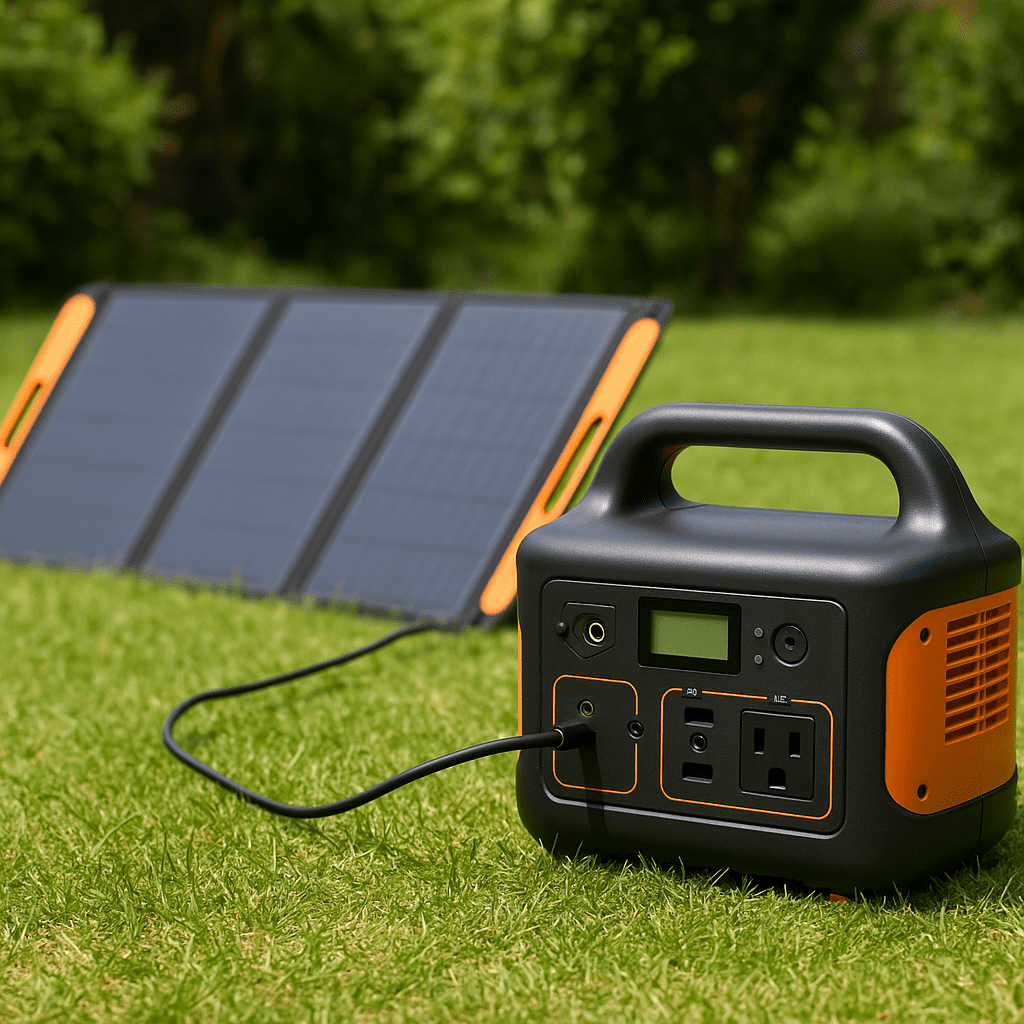
- The Complete Guide to Home Solar Generators (UK)
A detailed, UK-focused guide covering how home solar generators work, what they can power, realistic charging times, and the key features to understand before choosing a setup.
- Solar Generator Running Costs (UK Guide)
A detailed breakdown of solar generator running costs in the UK, including electricity prices, battery lifespan, inverter efficiency losses, and real-world cost comparisons with petrol generators.
- Solar Generator Safety: What UK Buyers Should Know
A practical guide to solar generator safety, explaining lithium battery risks, indoor use, rain exposure, and how to use portable power stations safely around UK homes and gardens.
- What Can a Solar Generator Power?
Real-world examples of what portable solar generators can power in UK homes, sheds, and gardens — including fridges, routers, lighting, tools, and grow lights.
- How to Use a Wind Turbine With a Solar Generator (Safely)
Practical guidance on combining a small wind turbine with a solar generator, including the role of charge controllers, battery storage, and safe load handling.
- What Is the Best Type of Backup Generator for Home Use?
Explains the differences between petrol, diesel, inverter, and solar generators, helping you choose the safest and most cost-effective backup option for UK homes.
🔌 Buying Guides (Energy & Power)
Compare the best solar and off-grid power equipment available in the UK — ideal for beginners, home backup, and practical resilience setups.
- Best Solar Generators UK
A comprehensive buyer’s guide comparing the most popular all-in-one solar generators for home backup, sheds, camping, and emergency use.
- EcoFlow Delta 2 vs Delta 3
A clear, side-by-side comparison to help you decide which EcoFlow Delta model best suits your power needs, budget, and charging priorities.
- Best EcoFlow Solar Generators UK
An in-depth look at EcoFlow’s portable power stations, comparing Delta and River models to help you choose the right system for home and off-grid use.
🔗 Conclusion
Self sufficiency doesn’t have to be complicated. Start with small, practical steps — such as adding a water butt or installing a portable solar generator — and build from there. Each improvement helps reduce reliance on the grid and strengthens your home’s resilience.
For wider gardening and self-sufficiency advice, we recommend visiting the Royal Horticultural Society website for general plant and outdoor guidance.
❓ Self-Sufficiency FAQs
What does self sufficiency mean in a UK home?
Self sufficiency simply means relying less on outside systems such as the national grid, supermarkets or mains water. It doesn’t require going “fully off-grid” — small steps like rainwater collection, solar power, or growing some of your own food all count.
Do I need to live rurally to be self sufficient?
Not at all. Many people improve self sufficiency in normal UK homes by adding solar panels, storing rainwater, using portable power stations, growing herbs or vegetables, and reducing energy consumption. You can become more resilient without moving to the countryside.
What is the easiest way to start becoming more self sufficient?
Most beginners start with simple upgrades: installing a water butt, adding a small solar panel to a shed, using a portable power station during outages, or building a basic emergency kit. These changes give immediate practical benefits.
Can solar panels really help with self sufficiency?
Yes — even small panels on sheds or portable solar generators can provide reliable energy for charging devices, running lights, or powering tools. Larger setups can reduce your electricity bills and provide backup power during outages.
How much does it cost to start with off-grid power?
It depends on the size of the setup. Small portable power stations start under £200, while full solar generator kits can range from £500 to £2,000. Even a basic entry-level system can provide very useful backup power.
What is an off-grid watering system?
An off-grid watering system uses stored rainwater, gravity, or solar pumps to irrigate your garden without using mains water. They are ideal for allotments, greenhouses, or garden beds that need regular watering.
Can I heat my home without electricity?
Yes, but safely. Indoor-safe heaters, thermal blankets, and proper ventilation are essential. Many people use portable power stations to run small electric heaters temporarily during outages, or rely on efficient fuel heaters rated for indoor use.
Is full off-grid living realistic in the UK?
It’s possible but not necessary for most people. Partial self sufficiency — producing some power, collecting rainwater, growing a little food, and having backup energy — provides most of the benefits without major lifestyle changes.